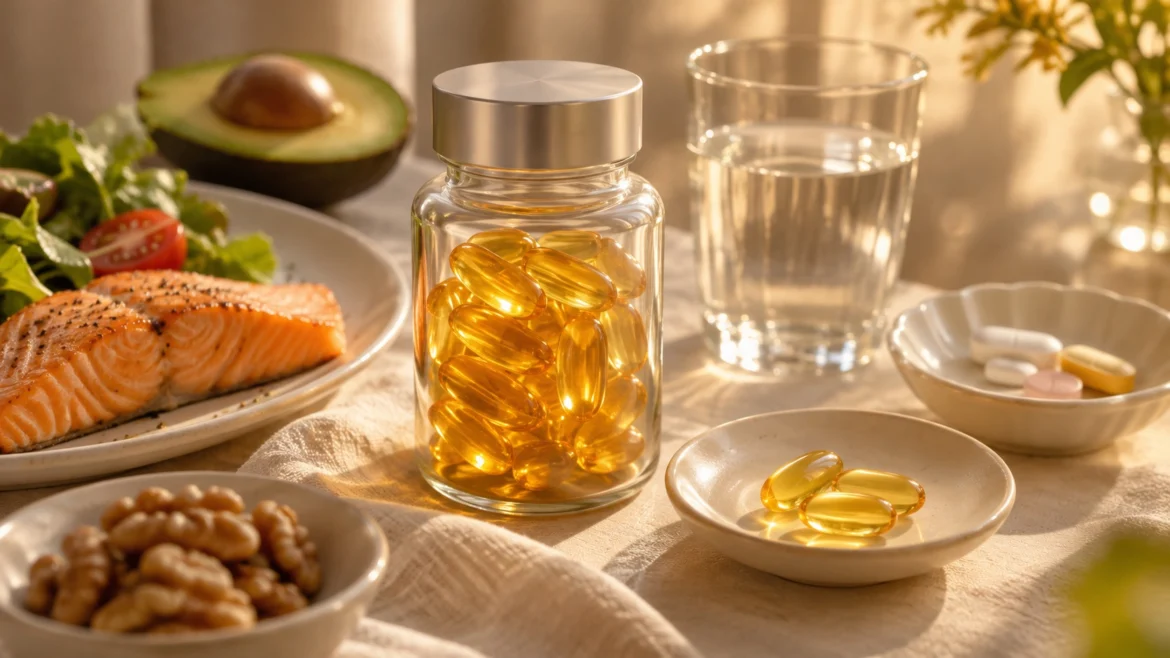
There is no universal morning or evening time for fish oil. All three products below specify food; choose a regular meal compatible with your medicines. Persistent reflux also involves amount, format and possible other causes rather than clock time alone.
What changes between breakfast, lunch and dinner?
| Routine | Practical arrangement |
|---|---|
| Regular breakfast at home | A with-food product can fit breakfast; refrigerate liquid afterward as directed |
| No breakfast | Use a regular lunch or dinner rather than taking it fasting for a supposed morning advantage |
| Meals away from home | Softgels are portable, subject to their storage directions |
| Anticoagulants or prescription omega-3 | Have the combination reviewed; a few hours apart does not resolve every interaction |
Formulation and meals affect absorption, but do not establish one universally superior clock time or a reason to add large amounts of fat. Follow the actual label or prescription. NIH ODS
Meal evidence does not identify one best hour
Fish-oil absorption studies commonly compare oil forms, meals or blood fatty-acid changes. Those questions differ from whether breakfast use prevents more disease than dinner use. A 1988 comparative study, for example, examined particular fish-oil forms with different meal fat contents in male volunteers. It measured absorption, not long-term outcomes from morning versus evening use.
For the three with-food products here, an ordinary regular meal is the practical starting point. There is no need to add a large quantity of oil to recreate a research meal. A meal that actually happens consistently is more useful than an online rule naming a supposedly ideal hour. Prescription directions still take priority.
Fit the instructions into an actual day
- Breakfast is only coffee: There is no reason to swallow a with-food product fasting simply to meet a morning rule. A regular lunch or dinner can be a more workable meal, within the label directions.
- Lunch is usually away from home: Softgels avoid measuring liquid, but keep the product identifiable and follow storage directions. Portability is not a reason to leave the bottle in a hot vehicle.
- Dinner is the meal at home: A liquid requiring refrigeration can be measured there and returned to the refrigerator. This is a storage advantage, not evidence that dinner is biologically superior.
- A healthcare plan already exists: Show the exact product and daily amount before changing the arrangement to fit a new routine.
These examples fit food directions into a day; they do not mean repeating a serving with every meal. Read daily frequency and “with food” together. The latter describes how to take the permitted amount, not an additional allowance whenever food is eaten.
Serving size and daily frequency are separate instructions
NOW Ultra lists one softgel per serving and directions of one softgel once or twice daily with food. Nordic’s routine adult directions use two softgels daily with food. Carlson lists a teaspoonful once or twice daily at mealtime. Their serving units and daily directions therefore differ.
The interval between two meals cannot decide how much someone needs in the first place. Follow an agreed healthcare amount where one exists. A higher frequency printed on a label is not evidence that every shopper needs that option. Nor should a higher-strength product be substituted independently just to reduce capsule count.
When comparing a liquid with softgels, write the actual daily EPA and DHA amount on one line and the required units or milliliters separately. This reveals whether the change affects convenience alone or also changes the supplied amount. A product that is easy to carry can still be the wrong specification for an existing plan.
For whether supplementation addresses the intended goal, see the fish oil benefits guide.
Softgels versus liquid: meals and storage
This article contains affiliate links. ToBeHealthy may earn a commission from purchases through them. Comparisons are based on product information and research, without hands-on testing.
| Product | Label per serving | Formula features and practical considerations |
|---|---|---|
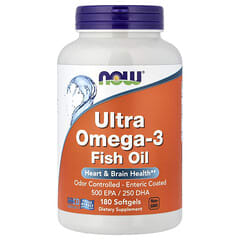 NOW Foods Ultra Omega-3, 180 softgels | 750 mg EPA + DHA per softgel, with food | Enteric-coated and odor-controlled; 750 mg EPA+DHA per softgel; with food. |
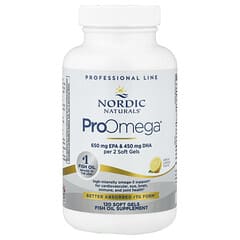 Nordic Naturals ProOmega Lemon, 120 softgels | 1,100 mg EPA + DHA per two softgels, with food | Lemon-flavored rTG oil; 1,100 mg EPA+DHA per two; sustainability certification. |
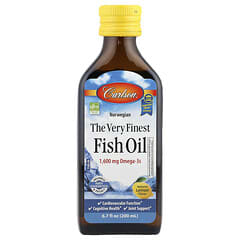 Carlson The Very Finest Fish Oil, Natural Lemon, 200 mL | 1,300 mg EPA + DHA per 5 mL, at mealtime | Lemon liquid; 1,300 mg EPA+DHA per teaspoon; refrigerate and use within 100 days. |
NOW Foods Ultra Omega-3, 180 softgels
NOW Ultra supplies 500 mg EPA and 250 mg DHA per softgel, with directions of one softgel once or twice daily with food. Softgels avoid liquid measuring when meals are away from home; the actual daily amount still follows the label or healthcare plan.
Enteric coating and odor control are relevant features for aftertaste concerns without guaranteeing freedom from reflux. Bovine gelatin, halal labeling and anchovy/sardine oil are specified. It is not suitable for vegans or fish allergy. Store in a cool, dry place after opening.
View NOW Foods Ultra Omega-3, 180 softgels details and price
Nordic Naturals ProOmega Lemon, 120 softgels
Nordic ProOmega supplies 650 mg EPA and 450 mg DHA per two softgels; routine adult directions use two daily with food. Its 120-count bottle provides 60 such servings, for shoppers comfortable with two softgels who want lemon flavor and the rTG form.
Friend of the Sea certification addresses sustainability. The formula contains gelatin and natural flavor and is unsuitable for vegans or fish allergy. Store cool and dry, away from sunlight, following its own instructions rather than a liquid product’s refrigeration rule. Check medication use, including blood thinners, with a clinician as the label directs.
View Nordic Naturals ProOmega Lemon, 120 softgels details and price
Carlson The Very Finest Fish Oil, Natural Lemon, 200 mL
Carlson’s liquid supplies 800 mg EPA, 500 mg DHA and 90 mg DPA per 5 mL, within 1,600 mg total omega-3. It avoids swallowing softgels and suits measuring at home. Adult label directions use a teaspoonful once or twice daily at mealtime.
- The 200 mL bottle has about 40 servings; refrigerate after opening and use within 100 days.
- IFOS, Friend of the Sea and iGen testing marks provide specific quality or sourcing information to check.
- It contains anchovy, sardine and mackerel oil, natural flavor and a small antioxidant blend. Lemon flavor does not remove the fish allergen.
View Carlson The Very Finest Fish Oil, Natural Lemon, 200 mL details and price
Refrigeration is product-specific
Carlson’s liquid explicitly requires refrigeration after opening. NOW Ultra specifies a cool, dry place after opening, while Nordic also directs users to keep it away from sunlight. Follow the actual dosage form’s label rather than transferring one bottle’s storage instructions to every fish oil.
Carlson’s 100 days is an after-opening use period, separate from the approximately 40 labeled servings in the bottle. It does not promise 100 days of servings or instruct someone to stretch out use. Record the opening date and check it alongside the printed expiry. If storage requirements cannot be met, or the product is beyond its applicable use period, ask the supplier or pharmacist rather than judging potency from taste.
Before travel, establish whether suitable storage is available at the destination. A suitable softgel may be more practical when refrigeration is unavailable, but its EPA and DHA specification still needs checking. Switching formats is not a direct conversion based on liquid volume or the shared word “serving.”
Fishy burps, heartburn or nausea
Follow meal directions and check the actual count or volume. Odor control, enteric coating and lemon flavor offer formulation choices without guaranteeing freedom from discomfort. Recurrent or significant symptoms warrants advice about continuing, changing the product or investigating another cause such as reflux, rather than repeatedly moving the time.
What to review when a new time does not solve reflux
Record the exact product, amount per occasion, whether its meal instructions were followed and how soon symptoms appeared. That is more informative for a review than concluding only that evening use does not suit you. Mention other newly added supplements too; do not assign every symptom to fish oil before considering the whole situation.
An enteric coating is a particular capsule design, not an invitation to cut open, pierce or chew the softgel. Use liquid according to its measuring directions. For swallowing difficulty, ask about an appropriate alternative format. Repeated heartburn or nausea should not be managed only by moving the product closer to bedtime or enduring symptoms to finish the bottle.
A fishy burp does not measure product freshness, and absence of fish flavor does not establish that a product is unrelated to discomfort. Taste, tolerance and oil quality are separate questions. Use product information and the actual symptoms to address them rather than treating one sensory observation as a complete quality or medical assessment.
Nighttime heartburn is not a reason simply to move fish oil to bedtime
NHS reflux guidance advises people with heartburn or acid reflux to avoid eating within three to four hours before bed. That is general reflux advice, not a trial comparing morning and evening fish oil, and it does not mean fish oil can never be taken with dinner.
For repeated nighttime symptoms, explain the dinner time, bedtime, supplements and existing reflux pattern together. Adding a meal or postponing a with-food product until just before sleep for a supposed absorption advantage does not address that issue. Whether another meal, product review or assessment of another cause is appropriate depends on the individual situation.
What does one teaspoon supply?
Carlson provides 1,300 mg EPA plus DHA per 5 mL, versus 750 mg per NOW Ultra softgel and 1,100 mg per two Nordic softgels. Use an appropriate measure; a serving is not interchangeable across the three. Carlson needs refrigeration and use within 100 days after opening, making travel or lack of a refrigerator a practical drawback.
Seek a review with warfarin or other anticoagulants, rhythm problems or a proposed high dose. Follow product or prescription advice after a missed serving without automatically doubling. A treatment product cannot be replaced by the same count of retail softgels.
Teaspoons, milliliters and milligrams describe different things
This Carlson bottle defines a teaspoon serving as 5 mL, supplying 1,300 mg EPA plus DHA. Milliliters describe liquid volume, while milligrams describe the weight of those fatty acids. Five milliliters should not be written as five milligrams. Use an appropriately graduated measure rather than estimating capacity from the appearance of a household teaspoon.
Two measured 5 mL portions would be 10 mL, or two labeled servings, supplying 2,600 mg EPA plus DHA. This is arithmetic, not a suggested daily amount. Recording the measure and actual milliliters helps distinguish a timing change from an unintended amount change.
A full dropper is not automatically a teaspoon either. For another liquid or concentration, reread both the serving volume and ingredient amounts, then confirm how it fits the existing plan. The units remain important even if both bottles use the same word fish oil.
What if a blood test requires fasting that morning?
Not every blood test needs fasting; check the instructions for the particular appointment. When fasting is required, MedlinePlus preparation guidance generally permits plain water only and advises checking medicines and supplements with the healthcare team rather than stopping prescribed medicines independently.
Do not eat a meal with fish oil to preserve a breakfast habit and then describe the sample as fasting. Ask before the appointment how the particular product should be handled that day. Bring any prescription or specific medication instructions into that discussion; do not independently add a double amount later.
Disclosing the normal product and frequency gives the result an accurate context. It is not an instruction to make a last-minute timing change to obtain a more favorable number. The laboratory’s preparation requirements and an existing treatment plan both need to be respected; a general fish-oil timing article cannot decide that individual arrangement.
A few hours apart does not resolve every medicine concern
NIH ODS discusses fish oil alongside warfarin and related medicines. This is different from a simple label-based separation rule for a mineral interfering with a medicine’s intestinal absorption. Do not assume a universal two-hour interval makes the combination appropriate.
Provide the drug names, fish-oil product, daily EPA and DHA, and any prescription omega-3. The clinician can decide whether monitoring is needed. Do not stop, omit or replace a prescription independently. Tell the team responsible for any planned procedure about supplements as well, so its actual instructions can guide the arrangement.