
If you rarely eat foods that supply calcium, your intake could be low even if a blood test shows normal calcium. Hypocalcemia means the calcium in your blood is low. It has several possible causes and needs clinical interpretation. Tingling around the mouth or in the fingers can occur with hypocalcemia, but those symptoms have other causes too. Trouble breathing, a seizure or severe, sustained muscle spasms need emergency assessment.
Low calcium intake and low blood calcium
Intake is how much calcium you consume in food, drinks and any supplements. You can use a food record and package labels to estimate it. A blood calcium result measures calcium in a sample at the time it was drawn. The body regulates blood calcium closely. A result in the reference range therefore does not tell you how much calcium you usually eat.
Persistently low intake matters for bone health over time and need not cause a symptom you can identify after a meal. A low blood result is a separate issue. It can be associated with conditions affecting the parathyroid glands, kidney function, vitamin D or magnesium. It can also occur after certain operations involving the thyroid or parathyroid glands. Your medical history and the circumstances of the test help a clinician decide what to investigate.
See NIH ODS calcium information and MedlinePlus on blood calcium tests. A normal blood result also does not establish normal bone density or exclude osteoporosis.
Symptoms that change the urgency
- Breathing difficulty, seizures or severe sustained spasms: seek emergency medical help.
- New tingling or cramps after thyroid or parathyroid surgery: contact the surgical team promptly and follow the discharge plan.
- Occasional cramps, fatigue or brittle nails: no single sign diagnoses inadequate calcium intake. Recurrent symptoms need assessment for other causes too.
What a clinician may check after a low result
Start by finding the name of the test, the date and the reference range printed beside it. A report may say “total calcium” or “ionized calcium.” Total calcium includes calcium attached to proteins in the blood and calcium that is circulating free. Ionized calcium measures the free portion. Albumin, one of those proteins, can affect the total result. A clinician can decide whether to interpret the result alongside albumin, repeat the sample or request an ionized calcium test.
If the clinician confirms that calcium is low, the next checks depend on the situation. They may review kidney function and measure magnesium, phosphate, vitamin D or parathyroid hormone. These results help them work out which processes might be involved. For instance, a recent neck operation can change what they investigate first. A value flagged low on a portal is a reason to contact the team that ordered it and ask what it means in context. If they have already given urgent instructions, follow those instructions.
A food diary and a blood result answer separate questions. If your blood calcium is in range during a routine check but you rarely eat calcium-rich foods, you can still ask about your intake. If a result is low and you are experiencing symptoms, report the symptoms alongside the result. Do not wait to see whether a change in your breakfast or a purchase from a supplement aisle solves it. Seek emergency help for the warning signs above.
Blood calcium and bone density answer different questions
A DXA bone-density scan uses a low dose of X-rays to measure bone mineral density. It can help assess osteoporosis and fracture risk. It does not measure yesterday’s calcium intake or replace assessment of low blood calcium when symptoms occur. Whether a scan is appropriate depends on factors such as age, fracture history, body weight and other risks. (Source)
For example, bring records of a fracture following a minor fall even if a recent blood calcium result was in range. Conversely, a low blood calcium result does not establish a bone-density value. T-scores and Z-scores use different comparison groups; the clinician should interpret the applicable score rather than borrowing a friend’s diagnostic threshold.
Follow the scanning service’s preparation instructions and disclose pregnancy or possible pregnancy. Do not interrupt an established calcium treatment solely because an online article mentions a period without supplements before scanning. Confirm the instructions for the actual examination and treatment.
Keep the unit and laboratory range with the result
Retain the complete report rather than a cropped red number. Laboratories can use different methods, units and reference ranges. A range copied from a website may not apply to the report in front of you. Placing results from different laboratories side by side also does not make every numerical change evidence of a change in health. (Source)
Note symptoms at the time of sampling, recent surgery, medicines and supplements for the team that ordered the test. If a repeat is requested, clarify its timing, fasting requirements and medicine instructions. Do not take extra servings of calcium or stop medicines to try to improve the next number.
Useful questions include whether the test measured total or ionized calcium, whether albumin affects interpretation, and whether the next step is repeat measurement or investigation of a cause. An online correction formula cannot independently decide treatment.
After neck surgery, include the operation in the symptom history
The parathyroid glands in the neck help regulate blood calcium. Some head and neck operations can affect their function. When contacting the team after a recent operation, give its date, when symptoms started, and any calcium or vitamin D prescribed at discharge. This supplies different information from saying only that your hands tingle and you drink little milk. (Source)
Use the surgical team’s discharge contact plan for new or persistent symptoms rather than waiting to mention them at an ordinary later review. Planned blood tests can remain important even when you feel well. Decisions about continuing or adjusting treatment cannot rely on that day’s symptoms alone.
Diagnosed hypoparathyroidism may require ongoing supplements and regular blood tests. Independently stopping when symptoms improve, or repeatedly increasing the amount when symptoms recur, can depart from the treatment plan. Ask the care team to review it.
Chronic kidney disease changes the calcium discussion
The kidneys help regulate calcium and phosphorus and activate vitamin D. Mineral and bone disorder associated with chronic kidney disease involves these control systems. It cannot be reduced to eating too little calcium. The team may assess calcium, phosphorus, parathyroid hormone and vitamin D together before deciding on food or medicines. (Source)
Calcium-containing foods supply other nutrients that may need to fit a kidney diet. If phosphate binders, calcium or vitamin D are already prescribed, have the kidney team review extra supplements before purchasing them. A general adult intake reference should not be converted directly into an additional pill amount in this care setting.
Bring all product packages, including nonprescription medicines and mixed supplements, so the team can identify overlapping ingredients. Reporting only bottles with calcium in the product name can leave relevant sources out of that review.
If the concern is diet rather than low blood calcium
Daily adult calcium references are 1,000 mg at ages 19–50; at 51–70, 1,000 mg for men and 1,200 mg for women; and 1,200 mg from age 71. These are total intake amounts, not additional pill doses or the milligrams that must be absorbed.
- For milk or plant drinks, compare the calcium in the amount actually consumed. Confirm fortification in plant drinks.
- For tofu, use the specific label because coagulants affect calcium content.
- For canned fish, edible bones differ from boneless fillets; sodium matters too.
Three foods with different meal roles
Milk powder makes a drink, chia is usually a smaller topping, and sardines can be a meal component. Their practical roles differ; none replaces treatment for hypocalcemia.
This article contains affiliate links. ToBeHealthy may earn a commission from purchases through them. Comparisons are based on product information and research, without hands-on testing.
| Product | Label per serving | Formula features and practical considerations |
|---|---|---|
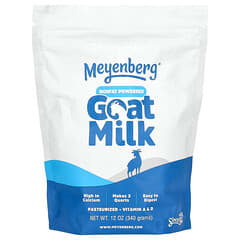 Meyenberg Nonfat Powdered Goat Milk, 340 g | 310 mg calcium per 28 g powder | Nonfat goat milk with A and D3; 310 mg calcium and 10 g protein per serving; mix when needed. |
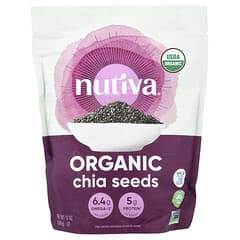 Nutiva Organic Chia Seeds, 340 g | 210 mg calcium per 30 g | Organic chia alone; calcium, fiber and plant ALA; add to breakfast. |
 Wild Planet Sardines in Extra Virgin Olive Oil, 125 g | iHerb serving: 56 g drained fish, 12 g protein | Wild sardines in organic olive oil; ready to eat; refrigerate after opening. |
Meyenberg Nonfat Powdered Goat Milk, 340 g
Meyenberg Nonfat Goat Milk Powder adds vitamins A and D3 to goat milk. A 28 g powder serving lists 310 mg calcium and 10 g protein. The 340 g pouch offers a cupboard option for making one cup when needed, without artificial flavors, colors or preservatives and with gluten-free and kosher labeling.
Mix a quarter cup powder with about 237 mL warm water for one cup, then refrigerate the prepared milk. Unused powder should be stored cool and dry and used within eight weeks after opening. It remains a dairy product, so people with milk-protein allergy need healthcare advice on suitability.
View Meyenberg Nonfat Powdered Goat Milk, 340 g details and price
Nutiva Organic Chia Seeds, 340 g
Nutiva Organic Chia Seeds contain raw organic chia alone. A 30 g serving lists 210 mg calcium, 10 g fiber and 5 g protein, alongside plant-source ALA omega-3. The mild flavor fits yogurt, porridge or drinks for people who want to add seeds to meals they already eat.
The 340 g pack carries organic, gluten-free and Non-GMO Project Verified labeling. A smaller tablespoon-sized amount of about 10 g supplies roughly 70 mg calcium, so use the portion actually eaten. Chia is a food with calories and fat, and should be considered within the meal rather than substituted directly for a calcium plan.
View Nutiva Organic Chia Seeds, 340 g details and price
Wild Planet Sardines in Extra Virgin Olive Oil, 125 g
Wild Planet sardines combine wild-caught fish with organic extra-virgin olive oil, water, sea salt and natural smoke flavor. The pull-tab can offers a ready-to-eat fish component for rice, toast or salad for shoppers who prefer an oil-packed option.
If edible bones are part of the calcium plan, confirm that the received pack includes them. The current iHerb table uses 56 g drained fish per serving, listing 12 g protein and 190 mg sodium; the 125 g net weight includes liquid. The manufacturer also displays an 85 g serving panel. Use the received label rather than combining figures from the two serving sizes. It contains fish and needs refrigeration after opening. (Manufacturer information)
View Wild Planet Sardines in Extra Virgin Olive Oil, 125 g details and price
What if you do not drink cow’s milk?
Fortified plant drinks, suitable tofu and other calcium sources can fit a meal plan without switching to goat milk. Goat milk still contains milk proteins and is not a general substitute for cow’s-milk-protein allergy. A 10 g portion of the chia above supplies about 70 mg calcium rather than the 210 mg in a full 30 g serving.
Continue prescribed calcium or vitamin D and monitoring unless the healthcare team changes the plan. Changing breakfast is not a reason to stop treatment. See the calcium-rich food comparison for meal ideas.
Lactose intolerance and milk-protein allergy need different choices
Lactose intolerance concerns difficulty digesting milk sugar; milk-protein allergy concerns an allergic response to proteins. They do not have the same substitution plan. Suspected allergy needs assessment rather than assuming that goat milk is suitable because it is described as natural or gluten-free. (Source)
For confirmed lactose intolerance, discuss lactose-free milk, lower-lactose dairy options or calcium-containing nondairy foods with a clinician or dietitian. Tolerance differs between people, so another person’s full-glass portion is not an instruction to copy. When excluding dairy, record whether the replacement drink is fortified and how much you actually consume.
Meyenberg’s powder above is nonfat goat milk, not a dairy-free or lactose-free product. Removing fat does not establish removal of lactose. The useful purchasing distinction is whether the intention is to reduce fat, avoid lactose or avoid milk proteins, because those requirements lead to different options.
Estimate the portion eaten, not the whole labelled serving
For a concern about ordinary intake, record actual meals on several representative study, work or rest days. Labels may state nutrients per 100 mL, per 100 g or per serving. Convert the information to the portion consumed. Leave an unclear value unknown instead of filling it with figures from a visually similar product.
The chia here lists 210 mg calcium per 30 g, so 10 g supplies about 70 mg. Milk powder listing 310 mg per 28 g supplies approximately 155 mg in 14 g. These are proportional label calculations, not instructions to halve a serving or statements about calcium absorbed. Adding water to an unchanged amount of powder does not add calcium.
Include drinks, meal components and existing supplements in the daily record. Identify food sources that can fit the routine, then discuss whether extra supplementation is needed. A single day below the reference does not diagnose deficiency; an unusually high day does not establish a consistently adequate diet. Record uncertainty rather than turning an estimate into a diagnosis.