
Decide how soon you’ll eat a regular meal after lifting or running. If the meal is soon, use it for protein, carbs and fluids. If it’s hours away, a portable snack can bridge the gap. The examples below cover quick snacks and full meals.
For a typical lifting session, a meal with a protein food and some carbohydrate works well if you will eat it soon. If the meal is hours away, pack a snack you can eat without much preparation. For an evening workout, account for whether you already ate dinner and how you feel going to bed. Use the schedule and workout to decide how much to change.
Match the next meal to the workout
| Situation | Priority | Simple example |
|---|---|---|
| Short walk, easy ride, or light workout | Water and meals on the usual schedule | Water, then your usual dinner with a protein food, grain or starch, and vegetables |
| Lifting with a meal soon afterward | Put protein and a source of carbohydrate in the meal | Rice with tofu and vegetables, or fish with potatoes and a side |
| Lifting with a long gap before dinner | Bring a snack with protein that you can actually use | Plain yogurt and fruit, or toast and eggs |
| Long run, bike ride, or demanding team practice | Replace fluids and carbohydrate, and include protein at the next meal | Rice with chicken or tofu, or banana and yogurt while waiting for dinner |
| Another hard session within a few hours | Start replacing carbs and fluids sooner | A familiar carb-rich snack and water, then a meal if the schedule allows |
“Lifting” and “running” cover many kinds of sessions. A short jog before breakfast is different from a long run in heat. A strength workout followed by a home-cooked meal is different from the same workout before a long commute. Find the closest row and then adjust portions and timing. A snack should bridge the gap you actually have, not duplicate a meal that is already waiting.
What protein, carbohydrate, and fluid each contribute
Protein supplies amino acids for recovery
Protein supplies amino acids that support muscle repair. For healthy adults who exercise regularly, sports nutrition guidance commonly uses about 20 to 40 grams of high-quality protein in one eating occasion as a reference. Body size, age, training load, dietary pattern, and the amount you eat across the day affect what makes sense. A reference range is useful to understand a label or meal, without making it a target for every snack.
Look first at protein in the meals you already eat. Eggs, tofu, beans, fish, meat, and dairy are among the options. For an example label calculation, a yogurt with 12 grams of protein and a glass of milk with 8 grams would give 20 grams together. Those numbers illustrate the math. Check your own packages, and decide whether both items fit. If you sometimes choose a powder for convenience, the protein powder label guide explains how to compare protein amounts and scoop sizes.
Carbohydrates help replace fuel used during exercise
Carbohydrate after exercise can help restore glycogen. The timing matters more when you need to train or compete again soon. A meal with rice, bread, potatoes, or another starch can cover some of that need. When the next session is the following day, you usually have more opportunities to eat meals over the recovery period.
Choose the amount and form you are comfortable eating. A long workout or a day with two demanding sessions may make a portable carb source useful before there is time for a full meal. A shorter session followed by dinner may only require your normal portions. If you are combining snacks with other foods for the first time, keep the choices familiar when you have a limited window before another session.
Fluid needs change with heat, time, and sweat
After short exercise, water is a practical starting point. More time in heat, heavier sweating, or another hard session can make fluid and sodium more relevant. A sports drink can be a convenient option in some of those circumstances. Food and water can also serve the same practical need when a meal is close and fits the schedule. Check what the drink provides rather than assuming every electrolyte beverage has substantial carbohydrate.
There is no single amount of water or sodium that fits all workouts and people. Drinks should suit your actual losses and your broader situation. If you follow a clinician’s instructions for fluids or sodium, keep those instructions when planning exercise and recovery. Ask your care team about individual adjustments if the workout changes how you manage the plan.
Pick a meal, a portable snack, or a quick backup
| Time and place | A workable first choice | What to check |
|---|---|---|
| Dinner is ready at home | Fish, tofu, or another protein with rice and vegetables | Add what the meal is missing instead of buying a second meal |
| A long commute separates the gym and dinner | Fruit and plain yogurt, if you can keep it cold, or a small sandwich | Check storage or choose a product you can carry safely |
| You will stop at a grocery or convenience store | Banana and milk or soy milk, or a sandwich with fruit | Read the protein and carbohydrate per portion you will eat |
| Late workout after an early dinner | A small familiar snack if you are hungry or dinner was hours ago | Choose a portion that will be comfortable before sleep |
Decide where you will eat before buying anything. A carton can be easy to carry if the package is shelf-stable unopened and you can finish it after opening. A yogurt needs handling that suits its label. If you will have access to a fridge after training, a homemade sandwich or whatever you packed for the day may work. The balanced daily meals guide can help you plan the main meal before adding a separate recovery snack.
Four schedules that change the decision
An early workout before breakfast
If you do a light session and can eat breakfast right afterward, breakfast can provide the food you planned anyway. Try eggs and toast, yogurt with oats, or a bowl of rice with tofu if that is a familiar breakfast. If the session is demanding and you have a long wait before breakfast, bring a snack or have breakfast ready to eat. The point is to avoid leaving yourself with no practical way to eat when you know you will need it.
A lunch break workout with a short window to eat
Set yourself up before the workout. Bring a packed lunch you can eat within the break, rather than hoping to find something afterward. A grain bowl with beans and vegetables can be ready when you return. If you only have time for part of it, decide which small portion you will eat and how to store the rest. If you usually include milk or yogurt, its protein and calcium can both count toward your usual diet. The calcium-rich foods guide explains how to check the amount in your serving.
An after-work session with dinner an hour away
If you ate an afternoon snack and dinner is soon, you can drink water after training and focus on that meal. If you are coming from a long work shift and last ate at lunch, bring a small snack you enjoy. When you get home, adjust dinner based on appetite. A snack during the commute can help when dinner is delayed, but how much you need depends on the day and how hard you trained.
A tournament or a second training session
When the next hard session arrives within a few hours, spend less of that time waiting for food. Keep a familiar carb option and fluids ready. Pick something you can eat and tolerate in the time available, such as a banana, toast, or another simple snack. Get protein in the next meal or snack. If you have a coach, sports dietitian, or clinician providing a plan for repeated high-intensity training, use that plan for individual amounts and timing.
Three Ways to Put Together an After-Exercise Snack or Meal
Choose based on the interval to your next meal. Oats provide the base of a snack, canned fish fits a meal, and powder is a mixable option.
| Product | When to compare it |
|---|---|
 Bob’s Red Mill Whole Grain Rolled Oats (907 g) | For a cooked breakfast after a morning workout. |
 Crown Prince Natural Sardines in Water (120 g) | An option when you have rice or toast ready and want to add fish. |
 Optimum Nutrition Gold Standard Whey (Double Rich Chocolate, 2.29 kg) | For mixing a whey drink. The label lists milk and soy. |
Bob’s Red Mill Whole Grain Rolled Oats (907 g)
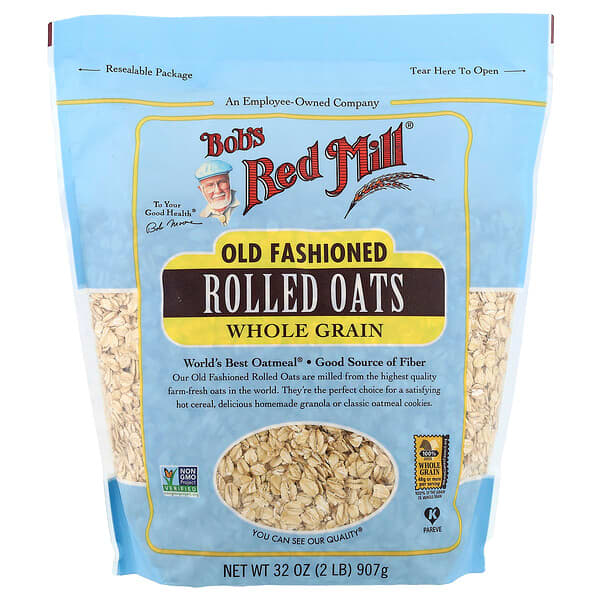
If you have time for breakfast after a morning workout, cook the oats with milk or unsweetened soy milk and add fruit. The 907 g bag is useful if you already cook oatmeal regularly.
- The ingredient is whole grain oats. The package lists 4 g of dietary fiber per serving.
- The bag has stovetop and microwave directions. The 32-ounce size makes sense if you already eat oats regularly.
View Bob’s Red Mill Whole Grain Rolled Oats details and price
Crown Prince Natural Sardines in Water (120 g)
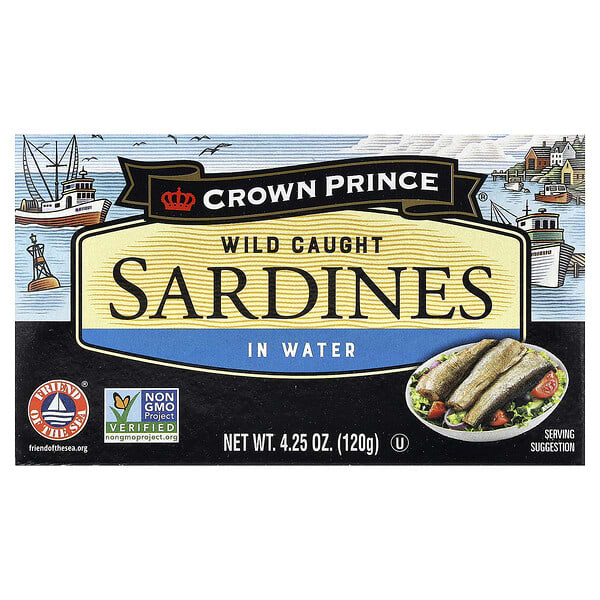
If a workout ends near lunch or dinner, drain the sardines and add them to rice and vegetables. The can has a net weight of 120 g, and the nutrition label uses one drained can, 78 g, as a serving. Use the drained weight if you’re comparing the amount of fish in different cans.
- The panel treats one drained 78 g can as a serving and lists 18 g protein and 35% Daily Value for calcium.
- The product contains fish. Use a fraction of the label amount if you eat less than the full drained serving.
View Crown Prince Natural Sardines in Water details and price
Optimum Nutrition Gold Standard Whey (Double Rich Chocolate, 2.29 kg)

If a meal isn’t practical after training, this chocolate whey powder is an option you can mix into a drink. The label lists 24 g of protein in a 31 g serving, about one scoop. It contains milk and soy, so check the allergens before choosing it.
- An approximately 31 g serving lists 24 g protein. The blend contains whey isolate, concentrate and hydrolyzed whey.
- The protein comes from milk. Count the drink you mix it with separately when planning a snack.
How to make a quick store stop useful
Scan the serving line first. If a package gives protein or carbohydrate per serving and the container holds two servings, multiply by two only if you will eat it all. A single-serve yogurt might be the easiest option one day, while a sandwich is more useful when you expect to miss dinner. If a drink has little protein and you want a protein-containing snack, add a food that supplies it rather than relying on what the front says.
Look at carbohydrate and fluid separately. You can get carbohydrate from a banana, bread, rice, or a ready-to-eat food. A sports drink may provide carbohydrate, but some electrolyte drinks supply very little. Read the label with your actual priority in mind. If the workout was short and dinner is soon, buying only water or using water you brought may be the best fit.
Then check the price and handling. A two-pack has little value if the second serving cannot be stored safely. If you often stop at the same store, identify two combinations you like before a busy day. One can be a bridge to dinner, and the other can be enough for a more substantial meal. This makes it easier to choose based on your schedule instead of choosing the first item advertised for athletes.
What to change after a workout that ends late
Look at when dinner happened and how much you ate. After a short or easy session that follows a regular dinner, you may be comfortable with water and your usual bedtime. If dinner was early, or the workout was long enough that you are hungry again, a small portion can be easier than another large meal. Think of familiar food such as oats with yogurt, toast with an egg, or rice with a little tofu.
You can also move some of dinner earlier if late meals are regularly uncomfortable. For example, have a regular meal with enough time before training, then decide whether you want a small snack after. If you only have time to eat after training, prepare or buy something you can eat without waiting a long time. The best change is one you can repeat without interfering with the rest of the evening.
Use the same grocery list for training and rest days
Keep a base meal and change the portion as needed
On a nontraining day you might have rice, vegetables, and tofu for dinner. On a day with an ordinary workout, that same meal can still fit. Use the same ingredients and adjust the amount for hunger, the size of the session, and what you already ate. If you finish a long ride and know dinner will be delayed, use a small portable item to bridge the time. Keeping the base meal the same prevents groceries for one workout from becoming a second shopping list.
If you cook for other people, prepare a shared starch and vegetable, then serve a protein food that suits each person’s diet. The person coming from a workout can have a portion that fits their appetite without asking everyone else to follow the training schedule. A bag of cooked frozen vegetables, a grain you know how to prepare, and a usual source of protein can keep the meal flexible. If someone has an allergy, choose appropriate foods and follow the household’s preparation rules.
Plan for mornings when you need to leave immediately
For someone who runs before a train or early meeting, convenience may matter more than the idea of a perfect meal. Make oats at home when there is enough time. On another day, bring fruit and a suitable package of milk or soy milk, then eat a more substantial breakfast later. Check whether a carton needs refrigeration and where you will be able to drink it. A morning session can change the timing without requiring a different ingredient for each type of exercise.
If you take your first full meal to work, pick ingredients that travel and store safely. A sandwich, grain bowl, or portion of overnight oats can fit routine training, depending on the foods you tolerate. Eat a smaller part if you have only a few minutes, and save the rest according to food safety guidance. If your routine rarely lets you keep foods cold, choose a meal you can eat at home or buy near work.
Use the label only for the question you have
A yogurt label can help you compare protein per container. A sports drink label can help you compare carbohydrate and sodium for the portion you will drink. A packet’s convenience may be the deciding factor, but the number of servings matters if you divide it. Write down which one need you are trying to address before comparing different products. That could be protein during a long wait for dinner, carbohydrate between two sessions, or a drink that fits your hydration plan.
If you use a plant beverage, read its protein content rather than treating all nondairy drinks alike. Two cartons can have similar energy figures but different amounts of protein. If the drink you enjoy provides little, you can keep it and get protein from food in the next meal.
Post-workout nutrition FAQs
Do I need protein within 30 minutes?
There is no strict 30-minute deadline for most recreational sessions. What you ate before exercise affects how much urgency there is afterward. If you ate a meal with protein before training and your next meal is soon, keep your schedule. After a long gap without food, a protein-containing snack can be useful when you still have to wait for a meal.
Is a protein shake better than a meal after lifting?
A shake can be convenient if you cannot prepare or carry food. A regular meal can supply protein as well as carbohydrates and other nutrients. If a meal is ready, use that meal. If you choose a shake, compare the protein amount for the portion you use.
Can I eat carbs after training at night?
Carbs can be part of a meal or snack after evening exercise. Think about the workout, the food you ate earlier, and how a portion will feel near bedtime. A smaller serving of a familiar starch can be practical if a large meal would feel uncomfortable.
What should I do if I am managing my weight?
Consider the overall pattern of meals and activity. After easy exercise, water and a meal already on the schedule may cover what you need. For a demanding session with a long gap, consider a planned snack and adjust the later meal according to appetite. A single recovery snack does not determine your weight trend.
When does a sports drink make sense?
A drink containing carbohydrates and electrolytes may be convenient during or after lengthy, demanding sessions, particularly with substantial sweat, heat, or a short recovery interval. Water and food can be enough for ordinary shorter sessions. Check whether the drink gives the nutrient you intend to replace.
Should I focus on protein or carbs if I train twice?
When the next hard session is soon, fluids and carbohydrates deserve early attention. Get protein in the next meal or snack as well. Set amounts around your specific training and preferences, with professional guidance if you regularly need a short turnaround.
What if I am not hungry right after a workout?
If the next meal is soon and the session was short, you can often wait until you feel ready to eat. After a demanding session with obligations soon afterward, plan a smaller familiar option you can tolerate. Fluid and food priorities can depend on your timing and the workout.
Do I need a product labeled for recovery?
Ordinary foods can supply carbohydrate and protein, and water is often a useful baseline. A product can help when transport, storage, or time makes it convenient. Check what it provides per serving and whether that addresses your situation.