
Count the meals you’ll actually make at home before writing a grocery list. Then pick vegetables, a protein food and a grain or other starchy food you can use across several meals. The seven-day plan below shows how to reuse ingredients through the week.
Look at the whole day when a single meal feels incomplete. If breakfast is oatmeal and yogurt, lunch might be the easiest place to get a vegetable. If you bring a sandwich and carrots to work, you can eat fruit later. A plan should help you see what you have and what you keep missing. It does not need to set a fixed portion size for everyone in the household.
Use a simple meal framework
Start by looking for a starch or whole grain, a protein food, and vegetables or fruit. Then look across the day for some variety, plus a practical source of calcium if your usual meals leave that out. At home, this can be a plate with rice, tofu, and vegetables. In a packed lunch, it can be a sandwich on whole-wheat bread, sliced carrots, and fruit later. Soup works too if it includes enough of the foods you expected to eat.
| Check for | Examples that can work at home | A useful backup |
|---|---|---|
| A grain or other starch | Brown rice, whole-wheat bread, oats, potatoes, or corn | A plain cooked grain packet or frozen portions of cooked rice |
| A protein food | Eggs, beans, lentils, tofu, fish, or lean meat | Canned beans, fish, or eggs you already bought |
| Vegetables | Greens, carrots, broccoli, cabbage, or peppers | A plain frozen vegetable mix you can cook in a few minutes |
| Whole fruit | Oranges, pears, apples, or seasonal options | Frozen berries for oats, or fruit packed as its directions allow |
| A calcium source | Yogurt, milk, calcium-fortified soy milk, or tofu made with a calcium salt | A fortified product you can use through the week |
This is a planning tool. It helps you build a meal and spot what is missing. For example, potato is useful as the starch in a dinner, so you might add green beans or peppers rather than treating a plate of potatoes as the full vegetable plan. For a soup with beans and plenty of vegetables, decide whether a slice of bread would fit your appetite. If you are planning calcium intake, see the calcium-rich foods guide for ways to compare servings and fortified foods.
Build a grocery list around your actual week
Start with your calendar. Mark the nights you expect to cook and choose a simple backup for at least one busy night. Check the freezer and pantry before committing to recipes. If you already have oats and lentils, you may need fruit, vegetables, and a protein that fits a second meal rather than more grains. The goal is to use the foods you pay for.
For a two-adult household, an example list might include plain oats, a bag of brown rice, eggs, dry or canned lentils, a bag of frozen broccoli, carrots, seasonal fruit, and yogurt or a fortified soy drink. If there are already spices and oil in the cupboard, keep using them. If one person dislikes lentils, swap the protein in that dish for beans or tofu instead of buying an entirely separate menu. If the household needs different portions, make the base meal for both and leave an extra serving of rice, vegetables, or protein available.
When comparing packs, use a price unit you can apply to both. A small bag of oats can have a higher price per ounce but be less wasteful if you are trying it for the first time. A larger bag can make sense if oatmeal is a staple and you have a dry place to store it. A vegetable’s lower price per pound is less useful if half the bag will spoil. For a household that cooks infrequently, plain frozen vegetables may be easier to finish.
A seven-day plan you can rearrange
The schedule below includes cooking days, repeat lunches and a backup night. It assumes the household buys a few of the same ingredients for different roles. Use a meal you already like in place of any example. If one night changes, move a fresh ingredient earlier or keep the replacement meal in the freezer until you need it.
| Day | Breakfast | Lunch | Dinner |
|---|---|---|---|
| Monday | Plain oats, yogurt, and a pear | Egg and whole-wheat sandwich with carrots | Brown rice, tofu, and broccoli |
| Tuesday | Toast, eggs, and orange slices | Rice and vegetables reserved from dinner, stored safely | Lentil and tomato soup with whole-wheat toast |
| Wednesday | Oats with berries and fortified soy milk | Lentil soup with a piece of fruit | Baked fish or beans, potatoes, and frozen green beans |
| Thursday | Yogurt, oats, and apple slices | Bean or fish sandwich with carrots | Cooked grain with eggs and mixed vegetables |
| Friday | Toast, plain yogurt, and fruit | Leftover cooked grain and vegetables, or a work cafeteria bowl | Takeout with a protein and a vegetable side |
| Saturday | Eggs with toast and fruit | Chickpea or lentil salad with cooked grain | Pasta with a tomato and lentil sauce and a vegetable side |
| Sunday | Oats with fruit | Soup, a sandwich, or a meal away from home | Roast vegetables and a choice of protein while getting Monday lunch ready |
Most people will move meals around. For example, if Friday takeout becomes Thursday takeout, refrigerate or freeze anything already prepared according to food-safety guidance. A person who eats less at breakfast can keep fruit for a snack. A person who is often hungry after a shift can plan a more substantial packed lunch, rather than waiting to see if there is time to buy a second meal.
The schedule uses oats several mornings, but the sides and protein foods change. That kind of repetition keeps shopping manageable. If foods with more fiber are new for you, pick one addition at a time rather than starting with every suggested meal. The daily gut-health eating guide has examples for starting slowly.
Plan shelf-stable, frozen, and fresh ingredients together
Put fresh foods where they help meals most. If you buy greens and berries, use them earlier in the week or buy fewer at once. Frozen vegetables can handle later dinners when you have not made another grocery trip. Canned lentils or beans can go into a bowl with a cooked grain. An unopened shelf-stable product and one that needs refrigeration after opening can have different handling instructions, so look before storing the leftovers.
A plain grain packet, frozen vegetables, and a ready-to-eat protein can make a quick meal without a recipe. Compare packages by what you actually intend to eat. If a product lists two servings and you generally eat the whole pack, take both into account. If you use half at a time, compare the amount per half and check whether you can store the rest. For canned or flavored products, read sodium and any added sugar if those are useful for the comparison you are making.
This method also makes it easier to buy for an unpredictable household. If a teenager or another adult often eats an extra portion, keep a cooked or quick grain available to add. If a small child eats less, serve a smaller initial portion and offer more if wanted. An individual medical or nutrition plan can have different requirements, so follow the advice that applies.
Three Pantry Staples for Breakfast and Meal Prep
Choose according to the meal you most often miss. Oats suit breakfast, lentils fit a soup or stew, and cooked quinoa can be mixed with a familiar grain.
| Product | When to compare it |
|---|---|
 Bob’s Red Mill Whole Grain Rolled Oats (907 g) | One staple for breakfast or a savory grain bowl. |
 Bob’s Red Mill Red Lentils (765 g) | A dry pantry staple for soup or stew. |
 Bob’s Red Mill Organic Tri-Color Quinoa (369 g) | A grain option for cooking ahead and using in bowls. |
Bob’s Red Mill Whole Grain Rolled Oats (907 g)
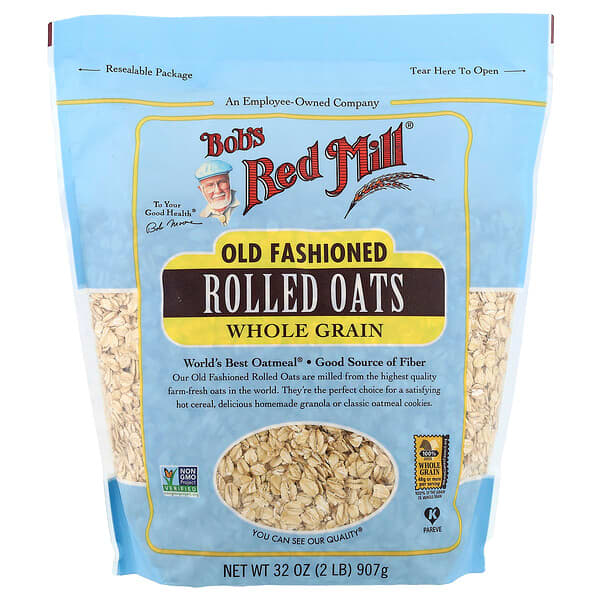
This bag can cover two meals if you cook oats often. Make oatmeal with milk for breakfast, or cook a savory bowl and add an egg and leftover vegetables at dinner. Count the oats as the grain portion when planning the meal.
- The ingredient is whole grain oats. The package lists 4 g of dietary fiber per serving.
- The bag has stovetop and microwave directions. The 32-ounce size makes sense if you already eat oats regularly.
View Bob’s Red Mill Whole Grain Rolled Oats details and price
Bob’s Red Mill Red Lentils (765 g)
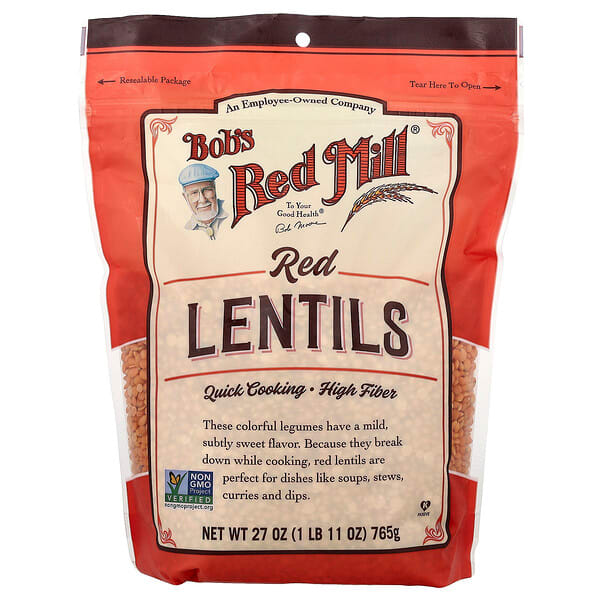
If you have time to cook dried lentils, use some of this 765 g bag for tomato and lentil soup, then serve it with rice and vegetables. Canned beans save a step on nights when you need a faster meal.
- The ingredient is red lentils. The package lists 7 g of dietary fiber per serving of dry lentils.
- Rinse and cook according to the package. If beans or lentils are new to you, a small amount in one meal is easier to assess than adding them at every meal.
View Bob’s Red Mill Red Lentils details and price
Bob’s Red Mill Organic Tri-Color Quinoa (369 g)

Quinoa gives you another grain option for a bowl with eggs and vegetables. The package calls for two cups of water per cup of quinoa and a short rest after cooking. Choose it if that fits your meal prep routine.
- The dry bag contains tri-color whole-grain quinoa. Read the directions for rinsing, water, and cooking before planning a batch.
- Pair the cooked grain with a vegetable and a protein food when assembling the meal.
View Bob’s Red Mill Organic Tri-Color Quinoa details and price
Fit the plan around takeout, lunchboxes, and leftovers
A salad, pasta, or rice bowl from a cafeteria can be easier to plan when you decide what to look for before you order. For a bowl, choose the grain or starch, one protein food, and one or two vegetables you enjoy. If the small restaurant portions or toppings are hard to estimate, choose a regular order and watch how it works for your appetite across a few lunches. You can bring fruit from home if it is more convenient than adding it to the order.
For a lunchbox, choose one meal you can repeat comfortably. Start with a sandwich, a cooked or raw vegetable you usually eat, and a piece of fruit. Another day, pack a grain bowl with beans, vegetables, and a dressing you like. If a coworker shares a fridge with limited space, use containers that fit. When you will not have access to a refrigerator, follow food safety advice for carrying and storing perishables.
If you cook enough for two meals, pack the second meal before people take extra helpings, or plan an alternative if portions vary. Refrigerate perishable leftovers within two hours, or within one hour if the temperature is above 90°F. Label the container with the date if you make several dishes. Most cooked leftovers can stay refrigerated for three to four days when handled and stored properly. Freeze portions you do not expect to use during that window, and follow food-specific instructions.
For a simple example, rice and tofu on Monday can become Tuesday’s lunch. Later in the week, mix freshly cooked eggs with a freezer vegetable blend and use a grain packet. A pot of lentil soup can become another lunch or a freezer meal if it was cooled and stored promptly. You may want to try food sources with particular fermentable carbohydrates, such as cooked lentils. The prebiotic foods guide explains preparation and gradual changes.
Adjust the plan when the budget or schedule changes
On a tight week, first review the meals that cost more because they require separate ingredients. A taco night and a rice bowl can share cabbage, beans, and a side of fruit. A bag of carrots can supply soup, a lunch side, and a roast vegetable. That is more useful than buying several individual sides you might not open. For eggs, fish, or beans, check which choice you can prepare and store without adding extra cost elsewhere.
If you see a discount, compare the amount you will use. For a hypothetical example, a $4 bag of frozen vegetables divided across four meals adds $1 per meal. A $3 fresh bunch that you only use for two meals adds $1.50 per meal. If you can use the whole bunch, that calculation changes. Those prices are only an illustration. Count the portion of the pack you can realistically prepare before it spoils.
If your week becomes busier than planned, keep the main structure and drop a cooking task. Use your frozen vegetables rather than washing and chopping a fresh side. Choose a canned protein if you planned a dish that would take longer. Plan one takeout order that includes a protein and vegetable. A smaller adjustment that keeps dinner possible is more useful than discarding the plan because one evening changed.
Make a smaller plan for one person or a larger one for a family
For one person, write down two lunch choices before buying produce. A whole-wheat sandwich and a grain bowl both take carrots, and you can make either one without cooking an extra vegetable. Choose just the amount of fruit you expect to take to work. A bag of frozen berries can cover breakfasts when you run out. If a recipe makes four servings and you want it only twice, decide before cooking where the other portions will go. Freeze them when appropriate or cook a smaller amount.
For a household with different schedules, agree on two staples and one backup. For example, keep brown rice and whole-wheat bread available, cook a vegetable everyone is happy to eat, and leave an easy protein choice for a late dinner. The person who gets home earlier can make a hot meal. The late arrival can use a safely stored portion or prepare another meal from the same shopping list. Reusing the ingredients keeps the budget predictable without requiring everyone to eat at the same time.
When household members have different appetites, put out the base meal and make an extra portion of whatever is easy to prepare. Someone who has been active all day may want more rice and beans. Another person may prefer a lighter portion and more later. If one person avoids an ingredient for an allergy or another medical reason, plan suitable meals and keep their preparation needs in mind. A common meal framework can still help you think clearly about choices, even when dishes need to be prepared separately.
At the end of the week, ask two questions. Which food did we wish we had on the busiest day? Which food sat unused? If you need a faster backup, put a plain grain, frozen vegetables, and a cooked bean on the next list. If you kept missing fruit because it was bought in too large a quantity or in the wrong format, buy a smaller amount that is easy to take with you. Change one shopping decision before redesigning the whole week.
Balanced daily meals FAQs
Does every meal need all the food groups?
Look at your whole day. A vegetable may fit better at lunch or dinner, and fruit can become an afternoon snack. A framework helps you notice a group you often miss. If an individual plan calls for a different balance, use the instructions you have received.
How can I keep costs down without eating the same dinner every night?
Keep some ingredients the same and change their role. Beans can go into a soup and a grain bowl. Carrots work roasted with a protein or packed with lunch. Try changing the seasoning or the grain once you know that you can finish the ingredients you buy.
Are plain frozen vegetables a good backup?
They are useful when fresh vegetables spoil before you can use them. Check for an included sauce if you want to compare sodium, fat, or added sugar. Heat or cook the vegetables as directed. Choose varieties and sizes that fit a normal meal so they do not sit unused in the freezer.
How do I plan meals without measuring every portion?
Use a bowl, container, or plate you know. Look for a protein food, a starch or grain, and produce, and then pay attention to appetite and activity. If you are tracking a specific nutrient for medical reasons, follow your clinician’s instructions for more precise amounts.
Can I plan both meat and vegetarian meals with one list?
Yes. Start with a grain and vegetable that everyone will eat, then cook or heat the main protein separately. For example, rice, cabbage, and peppers can go with tofu in one bowl and chicken in another. This uses the same basic shopping list without requiring everyone to eat the same combination.
What if I have to buy lunch every day?
Choose two orders you can alternate. Pick a meal with vegetables and a protein food, and add fruit later if it fits. Check what the cafeteria usually offers rather than choosing an option that is only available once a week. Bring a shelf-stable or safely stored backup on days when you are unsure.
Can I use a week’s worth of cooked food from the refrigerator?
Plan for the storage limits of each dish. Use foods refrigerated safely within their recommended window and freeze what you will need later. Label containers so you do not mix up dates. Keep frozen or shelf-stable ingredients for the second half of the week if you do not want to freeze a cooked meal.
Does unfortified plant milk have the same calcium as dairy milk?
Amounts vary, especially when a product is unfortified. If you use plant milk for calcium, compare the amount per serving and check whether calcium is added. Check the protein line too if that matters for how you use it. If you avoid dairy because of an allergy or medical plan, look for the guidance that applies to you.