
Review what you eat on a typical workday and pick one meal that regularly lacks protein or fiber. Add an egg or yogurt to a light breakfast, or look for vegetables or beans to add to a takeout lunch. Start with a change that fits the meals you already order or make.
A desk job, a long shift on your feet, and endurance training can create different energy needs. A meal framework helps you plan what to buy and prepare, while portions can change with the day. Use the examples to find a practical adjustment, and keep any medical nutrition guidance in place.
Four questions for a usual day
| What to check | Foods that can fit | First adjustment |
|---|---|---|
| Does most protein come at dinner? | Eggs, plain yogurt, fish, tofu, beans, and poultry | Find one earlier meal where a protein food is easy to add |
| Do meals have enough produce and fiber sources to offer variety? | Oats, lentils, apples, vegetables, and whole-wheat bread | Swap part of one familiar grain or add a vegetable to lunch |
| Is there a regular calcium source? | Milk, yogurt, calcium-fortified soy beverages, and calcium-set tofu | Check the calcium per amount you actually eat or drink |
| Where does the meal get most of its sodium? | Soup, sauces, processed meats, ready meals, and canned foods vary | Compare the portions you eat, then change the item with the largest difference |
The answer can be different on different days. Someone who cooks dinner most evenings may already have beans or fish there but skip them at breakfast and lunch. Someone who works away from home may eat a packed sandwich and need a more practical vegetable side or a piece of fruit. Use the same list at home and when eating out, without asking every meal to include every item.
For one useful check, write down two typical weekdays and one day off. Include drinks and sides, since they can change the meal. Look for patterns rather than a single meal. If one day includes a sandwich when you normally bring a packed bowl, check whether that day needs a separate backup or whether it just happened once.
Protein references and how to use them
In the United States, the National Academies’ Recommended Dietary Allowance for healthy adults is 0.8 grams of protein per kilogram of body weight per day. The Dietary Guidelines for Americans, 2025–2030, describe a separate food-pattern goal of 1.2 to 1.6 grams per kilogram per day with individual adjustment. These measures come from different frameworks and can yield different numbers. Use them to understand the reference you are looking at rather than choosing whichever appears on a product.
For an adult man weighing 175 pounds, the conversion is about 79.4 kilograms. At 0.8 grams per kilogram, the illustration is about 64 grams per day. At 1.2 to 1.6 grams per kilogram, it is about 95 to 127 grams. Those figures show how the calculation changes with the reference. They are not a recommendation for anyone who happens to weigh 175 pounds. Kidney disease, dialysis, changes in body weight, and other aspects of care can affect the amount a clinician or dietitian recommends.
After looking at a reference, check how meals cover it. If dinner generally has fish, chicken, or tofu, breakfast and lunch may offer the easiest change. Add a reasonable portion of an ordinary food, then work out whether you will actually keep eating it. Eggs, milk or yogurt, beans, tofu, fish, and poultry can fit different meals. You can add the protein in each food you actually ate without buying a separate product just to add to a total.
An older adult may need to think more about appetite, preparation, and what is comfortable to chew. The protein foods guide for older adults goes into those issues. Someone who exercises regularly can keep a familiar food pattern and make a separate plan for workouts and recovery. The post-workout nutrition guide explains which sessions may make a snack useful.
Make the workday meals easier to repeat
| Shift or routine | A practical meal combination | The backup if time is short |
|---|---|---|
| Desk work with a predictable lunch | Whole-wheat sandwich or a rice bowl with egg, fish, beans, or tofu and a vegetable | Fruit and a protein source you can store or buy safely |
| Early or rotating shift | Oats and plain yogurt, or eggs and toast, at the first time you can eat | A nearby familiar meal or a packable option with reliable storage |
| Long afternoon away from a kitchen | Soup with lentils, a grain, and vegetables before leaving | Whole fruit, or a portion of a shelf-stable food you can use |
| Training after work | A balanced lunch and a regular dinner with a protein food and starch | A small portable snack when dinner will be delayed |
Build from something you already know how to make. A shared rice bowl can start with the same grain and vegetables for two people, while one adds tofu and the other adds fish. A sandwich can use either a home-prepared filling or a deli item, with different amounts of sodium and preparation work. If eating out is the only realistic thing today, choose a place you use often and identify a protein, a grain or other starch, and a vegetable or fruit.
When you pack a meal, think about storage before buying the food. A yogurt or cooked leftover needs handling that suits the food instructions. If you do not have access to a refrigerator, choose a meal you can eat before leaving home, a safely stored option, or a meal you can buy when it is time to eat. A difficult storage situation can make buying a larger portion less useful than getting the amount you can eat that day.
If you rarely cook on workdays, plan for two evening meals that use the same ingredients differently. Brown rice and cooked vegetables can go with fish one evening and beans the next. A bowl of tomato and lentil soup can leave room for a different grain or a side of fruit. The balanced daily meal plan offers more one-week and pantry examples.
Read sodium per serving before you compare a package
The U.S. Nutrition Facts label uses a 2,300 mg Daily Value for sodium. For a hypothetical example, a soup has 380 mg per serving and the package has two servings. If you eat the entire package, that is 760 mg. Add a side with 200 mg and the total is 960 mg, about 42% of that Daily Value. If you split the package over two meals, your portion gives a different answer. A Daily Value is a label reference and does not determine a medical plan for sodium.
To compare two soups, first look at the serving weight and how much you usually consume. One can may have a smaller amount printed because its serving is smaller. Then check the side or sauce. If the sauce accounts for much of the meal, using a portion you enjoy or choosing a different package may change the result more than replacing the whole meal. You can apply the same arithmetic to canned beans, deli sandwiches, frozen meals, or ready-made grain bowls.
At restaurants, an exact amount may not be easy to find. If nutrition information is available, see whether it is for a complete meal or one item. If only a main is listed, do not assume the number includes the soup, sauce, or sides. If you have a sodium limit as part of care, follow the specific instructions you received when choosing what to order.
If lunch and dinner both use prepared foods, compare one product at a time. Start with the one you buy most frequently. Keep the total as an estimate when the side or sauce has no label, and use exact figures where available.
Three Pantry Foods for a Busy Workday
Compare oats for breakfast, lentils for a prepared lunch, and canned fish when you need a meal component you can open and portion.
| Product | When to compare it |
|---|---|
 Bob’s Red Mill Whole Grain Rolled Oats (907 g) | For a home breakfast you can portion the night before. |
 Bob’s Red Mill Red Lentils (765 g) | For cooking a lentil dish ahead of time. |
 Crown Prince Natural Sardines in Water (120 g) | Ready to drain and add to rice or toast. |
Bob’s Red Mill Whole Grain Rolled Oats (907 g)
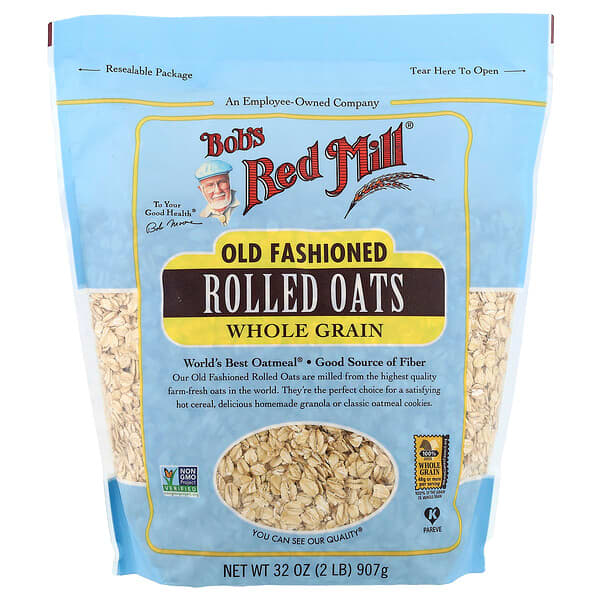
If breakfast is usually rushed, measure your oats the night before and cook them with milk or unsweetened soy milk in the morning. The 907 g bag makes sense if you eat oatmeal often and have space to store it.
- The ingredient is whole grain oats. The package lists 4 g of dietary fiber per serving.
- The bag has stovetop and microwave directions. The 32-ounce size makes sense if you already eat oats regularly.
View Bob’s Red Mill Whole Grain Rolled Oats details and price
Bob’s Red Mill Red Lentils (765 g)
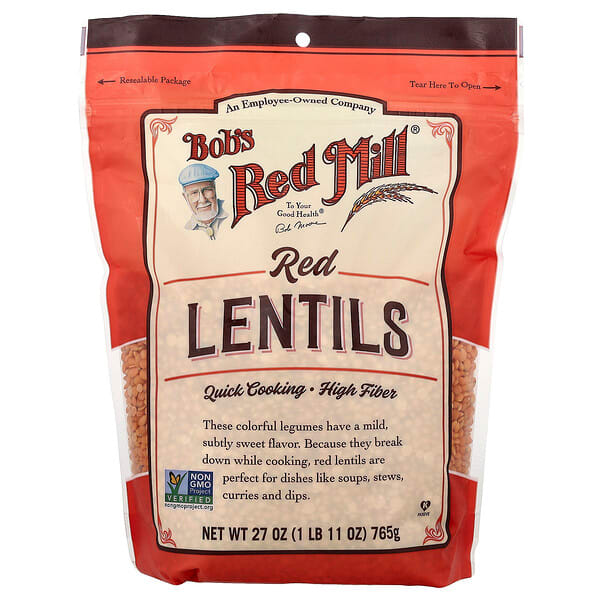
Use these dried lentils for tomato soup when you have time to cook ahead. Pack the soup with rice and vegetables for the next day. If you need lunch sooner, cooked canned beans save the step of cooking dried lentils.
- The dry label gives 12 g protein and 3 mg iron for 50 g of lentils.
- Cooking adds water, so divide the finished batch by the fraction of the original dry amount you eat.
View Bob’s Red Mill Red Lentils details and price
Crown Prince Natural Sardines in Water (120 g)
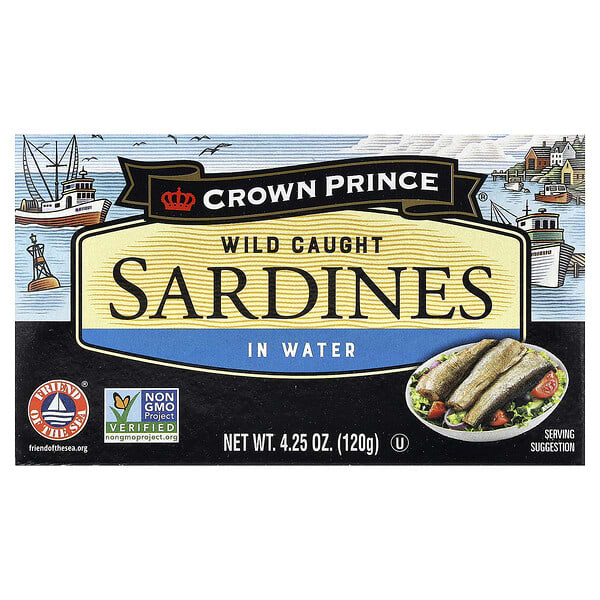
Keep a can on hand if you want fish to add to rice or toast. The front lists 120 g net weight, while the nutrition label uses one drained can, 78 g, for a serving. Use the drained serving when you want to compare how much fish is in another can.
- The panel treats one drained 78 g can as a serving and lists 18 g protein and 35% Daily Value for calcium.
- The product contains fish. Use a fraction of the label amount if you eat less than the full drained serving.
View Crown Prince Natural Sardines in Water details and price
Pay attention to the foods that go missing first
Fiber-rich foods
Start with a food you can use several times. Use plain oats in a breakfast you already make, add a small serving of beans to soup, or pack a whole fruit. You do not have to buy a dozen new ingredients. If fiber-rich foods are new to your routine, add them in steps and drink adequate fluids in accordance with any personal medical advice. Compare a whole-grain label with the portion you intend to eat rather than relying on the color of bread.
When the budget is tight, use foods you are likely to finish. Buy a small amount of fresh produce and keep frozen vegetables for the days when you cannot shop. A can of beans can cover more than one meal if you can store the leftovers safely. If you only use a spoonful at a time, choose a package size that will fit. The aim is to make the next meal easier rather than fill the pantry with items you do not use.
Calcium and vitamin B12 if your usual foods change
If you switch from regular milk to a plant beverage, compare the labeled calcium and protein before assuming the amounts are similar. If you rely on that beverage for B12, check whether B12 is added and how much you drink. A splash of something in coffee may be convenient, while a cup in a breakfast meal provides a different amount. Compare the amount you consume over the week, especially if one fortified item is your main source.
If your diet excludes all animal foods, plan for a reliable B12 source. Check fortified products instead of assuming that a vegetarian-sounding food supplies B12. Protein options can include beans, lentils, tofu, and other soy foods. If a dependable B12 source is difficult to arrange, talk it through with a clinician or dietitian. Keeping your grocery list sustainable is part of making the choice easy to follow.
Set up a review that fits a normal week
Instead of tracking every snack indefinitely, keep a simple record for a few days. Write down the food, the approximate portion, and whether it fit your schedule. If a packaged item supplies a nutrient you are tracking, keep its label or note its figures. Review the list when you shop. If your usual lunches do not have a vegetable side, choose one that you can buy or pack. If you regularly skip breakfast because you leave early, use another eating occasion.
Review the plan again when a shift, commute, training schedule, or budget changes. Sometimes the most useful difference is moving an ingredient to a different meal. Lunch may be a better time to eat a serving of yogurt than breakfast. A bean dish may be easier on a day you work at home. Use the plan to find those changes before adding a new product or deciding your meals need to change all at once.
Three ways to solve a familiar workday problem
A lunch order you eat three times a week
Suppose you usually buy soup and a sandwich. Keep the sandwich you enjoy, and compare the soups by how much you actually eat. If the soup is the item you want to change, you could try a different soup or a vegetable side. If the sandwich filling provides little protein, choose a filling that gives you a useful amount or include plain yogurt later. Change one part of the meal so you can tell whether the new combination is affordable and filling.
A shift that starts before you are ready for a full meal
If eating first thing does not fit, plan the first realistic break. You might pack whole-wheat toast and eggs, choose plain oats prepared with milk, or have a smaller portion earlier and a second part later. A fruit or another fiber source can fit at a different time. If the break gets moved, keep one option you can store properly or buy near the workplace. The point is to give the meal a place in the day, not to require a particular breakfast time.
For a night shift, you can decide what to eat before leaving home and what you can take to work. Pack only what you expect to use and can store safely. If you normally buy dinner later, check what the restaurant offers after your shift begins. A meal plan based on an outlet that has already closed will be less useful than a smaller plan you can actually follow.
A set of meals for a week when you cannot shop twice
Choose a protein for two ordinary meals and a backup that stores differently. For example, eggs for breakfast, tofu for a cooked dinner, and dry or canned legumes as a backup. Buy a vegetable you can use early and keep a plain frozen version for later. If you already have rice or bread, use that as the base instead of buying a grain for every recipe. Check the pantry before choosing which items to move to next week’s list.
Look at what you want to track inside that plan. If the priority is making lunch more filling, check the protein and amount you eat, rather than comparing every nutrient at once. If the issue is sodium in a prepared meal, calculate that value first and leave the rest of the plan familiar. Shopping becomes easier when you know which problem each item solves.
Men’s daily nutrition FAQs
Does every adult man need the same number of calories?
Energy needs vary with age, size, and activity. A sample meal shows how food groups fit together. Choose the portions that work for your routine, and seek individualized advice when a condition or specific goal requires it.
Can I get most of my protein at dinner?
You can account for protein across the day. If dinner is already substantial, an egg, yogurt, tofu, or some beans at an earlier meal may be easier than enlarging dinner. Compare portions that you are willing and able to finish.
Is one protein target right for every adult man?
No single figure covers every situation. Match an amount to the reference you are using, and consider whether medical or nutrition instructions apply. Protein needs can differ for people with kidney disease and dialysis.
What can I eat if breakfast is difficult?
Choose the first meal you can reliably eat. Plain oats with yogurt, eggs and whole-wheat toast, or a wrap with beans can fit at breakfast or later in the day. Decide where the food can be prepared and stored safely.
Do supplements replace changes to meals?
A supplement provides the listed ingredients. A meal can provide protein, fiber, energy, and other nutrients. Before buying a supplement, identify the particular need and check whether a food choice or professional advice is appropriate.
How do I compare sodium in a whole takeout meal?
Gather the information for the amount of each item you plan to eat. Multiply a per-serving amount if you eat more than one serving. Count the side or sauce if it is included in your meal. A personal medical limit takes priority over the label percentage.
What is an easy plant-based starting point?
Use a familiar meal with tofu, beans, or lentils. Include vegetables and a grain or starch you already enjoy. If you avoid animal foods, include a dependable B12 source and confirm the amount from a reliable label or a clinician.
Should I change my meals on training days?
Use the same base foods and adjust the timing or portions to suit the session. A short workout before an existing meal may require little change. A longer session followed by a long wait for dinner may make a snack useful.