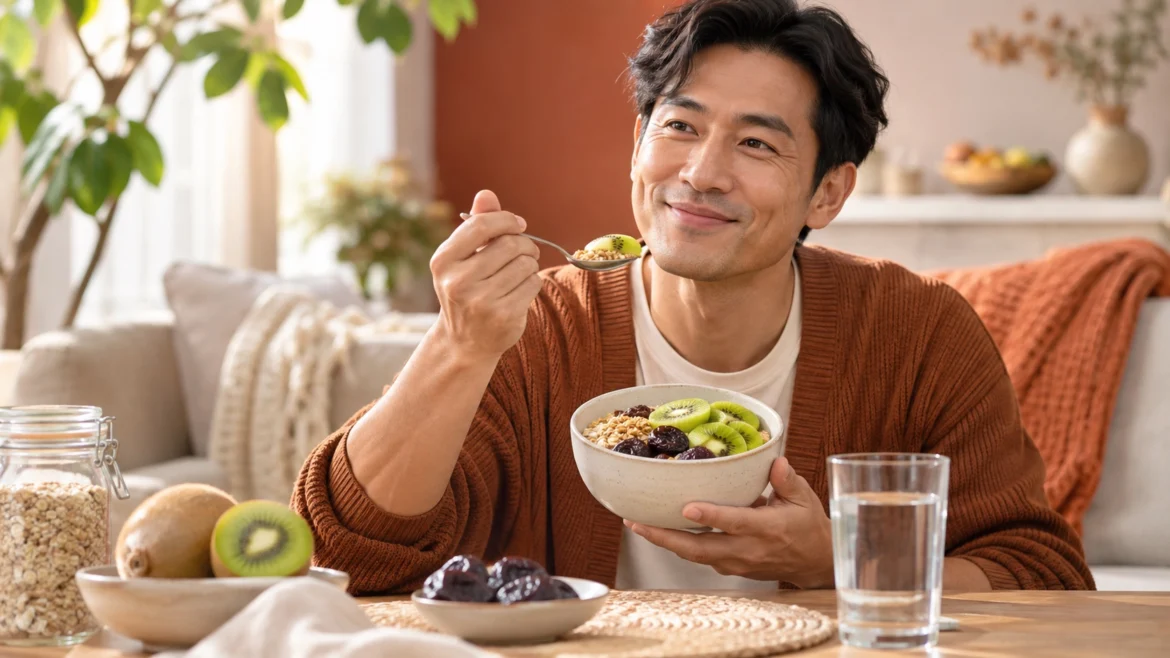
If you want to change what you eat for constipation, start with one change you can repeat. Green kiwifruit or a small portion of prunes can fit into a fruit snack. Plain oats can replace part of a breakfast that usually contains little fiber. Pay attention to how hard stools are to pass and how much you strain as well as how often you go. Add fiber gradually so you can notice which changes you tolerate.
Seek prompt medical care if constipation occurs with blood in the stool, persistent abdominal pain, vomiting, or an inability to pass gas. Those symptoms need assessment.
Where each food can fit
| Food | One way to use it | What to check |
|---|---|---|
| Green kiwifruit | A breakfast fruit or afternoon snack | Studies used specific servings of whole green fruit |
| Dried prunes | A measured portion with breakfast or a snack | Compare serving weights, since piece sizes vary |
| Plain oats | Replace part of a usual breakfast staple | The nutrition label measures dry oats before water is added |
| Beans and whole grains | Include in soups, rice dishes, or side dishes | Start from your usual intake and adjust to tolerance |
Green kiwifruit: tested amount and findings
An international crossover trial enrolled 184 people across healthy, functional-constipation and IBS-C groups. They tried four-week periods of two green kiwifruits daily and 7.5 g psyllium. During kiwifruit use, the constipation groups gained approximately 1.53 and 1.73 complete spontaneous bowel movements weekly from baseline. Those within-group changes are not an extra advantage of that size over psyllium or a personal prediction.
Source: international kiwifruit trial. Whole fruit was tested, not juice or extract. Choose another food for known kiwifruit allergy.
The prune trial amount differs from a package serving
An exploratory US study enrolled 79 adults with chronic constipation to compare four weeks of two green kiwifruits daily, 100 g prunes or 12 g psyllium. Its partially randomized, exploratory design limits certainty about comparisons between the foods. The proportions meeting the primary response criterion were similar. A before-and-after improvement in one group alone cannot establish a winner. (Source)
The trial’s 100 g prunes is different from Elan’s 40 g package serving below. It is not an instruction for everyone to start immediately at 100 g. Since piece sizes vary, weight is a clearer comparison than the number of prunes. Someone who rarely eats dried fruit and readily develops bloating can discuss suitability and portions with a dietitian.
The trial observed results over weeks. It does not establish that an extra-large bowl today produces immediate relief. Persistent discomfort calls for assessment of symptoms and causes, rather than repeatedly increasing the fruit portion whenever a bowel movement has not happened. Study quantities explain the evidence; the portion that fits an individual meal still needs to consider the rest of the diet and tolerance.
This article contains affiliate links. ToBeHealthy may earn a commission from purchases through them. Comparisons are based on product information and research, without hands-on testing.
| Product | Label per serving | Formula features and practical considerations |
|---|---|---|
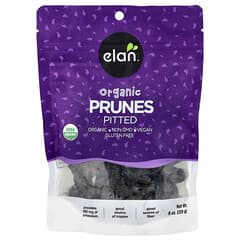 Elan Organic Pitted Prunes, 225 g | 40 g, 3 g fiber | Organic prunes only, no added sugar; 3 g fiber per 40 g; ready to eat. |
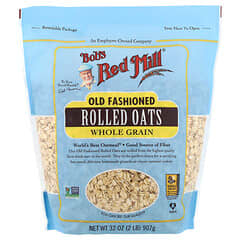 Bob’s Red Mill Old-Fashioned Rolled Oats, 907 g | 48 g dry, 4 g fiber | Whole-grain rolled texture; cereal and baking uses; 10-minute stovetop or two-minute microwave. |
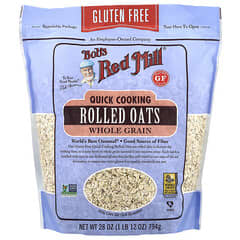 Bob’s Red Mill Quick-Cooking Rolled Oats, 794 g | 45 g dry, 4 g fiber | Thinner oats, about three minutes on stovetop; gluten-free version with dedicated-facility handling and testing. |
Elan Organic Pitted Prunes, 225 g
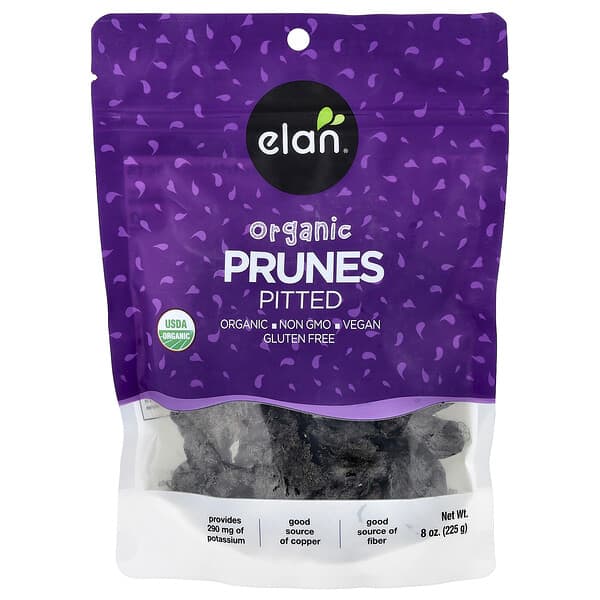
Elan pitted prunes contain organic prunes alone, with no added sugar. The 225 g pouch works as a ready-to-eat snack or can be chopped into oats and plain yogurt. A 40 g serving has 15 g of naturally occurring total sugars and 3 g of fiber, making the practical comparison dried fruit versus part of a usual sweet snack.
The product carries organic, vegan and certified gluten-free labeling. Pitting makes it convenient to eat, although the manufacturer warns that pits or fragments may remain. People managing peanut or tree-nut allergies should also check the may-contain warning.
View Elan Organic Pitted Prunes, 225 g details and price
Bob’s Red Mill Old-Fashioned Rolled Oats, 907 g
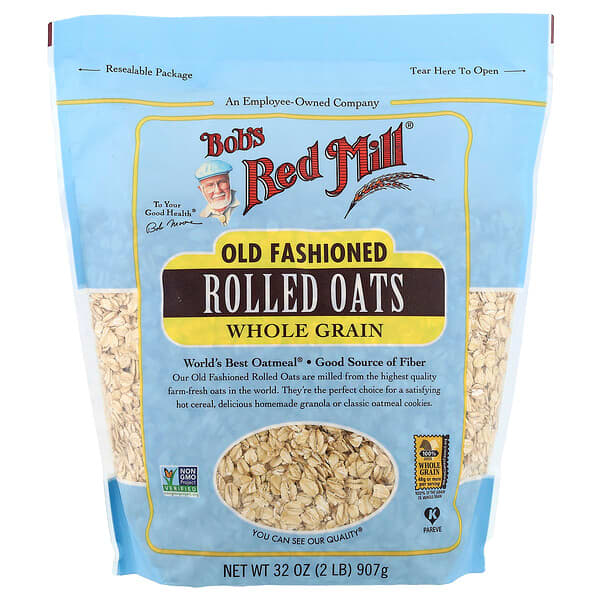
Bob’s Red Mill Old Fashioned Rolled Oats use whole-grain oats alone and retain a more distinct rolled-oat texture. A half-cup dry serving, 48 g, provides 4 g fiber and 6 g protein with no added sugar. The same bag can be used for hot cereal, homemade granola or oat cookies, useful for shoppers who also bake.
- The stovetop directions call for about 10 minutes followed by a two-minute rest.
- The microwave method takes two minutes plus a two-minute rest.
- The 907 g bag is resealable, and refrigeration or freezing is recommended after opening for best keeping quality.
- If you mostly microwave oats, both this and the quick-cooking version list the same heating time, leaving texture and gluten-free labeling as more useful differences.
View Bob’s Red Mill Old-Fashioned Rolled Oats, 907 g details and price
Bob’s Red Mill Quick-Cooking Rolled Oats, 794 g
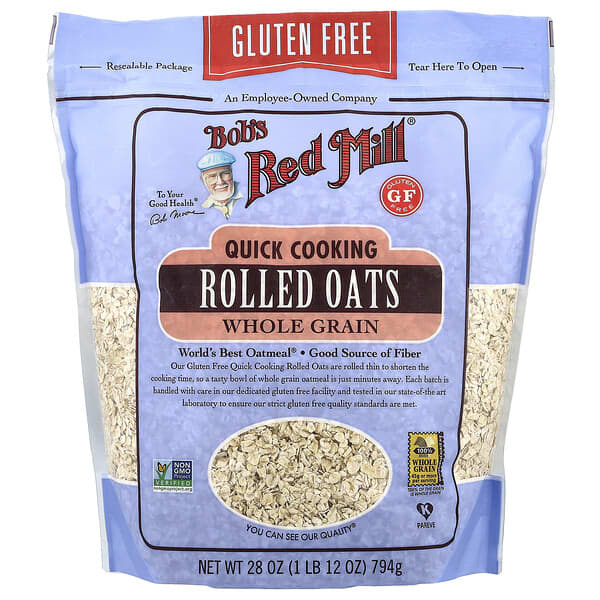
Bob’s Red Mill Quick Cooking Rolled Oats are rolled thinner, bringing the stovetop cooking time down to about three minutes before resting, compared with ten minutes for the old-fashioned version. They still contain whole-grain oats alone. A 45 g half-cup serving provides 4 g fiber, 6 g protein and no added sugar.
This 794 g version is labeled gluten-free, with handling in a dedicated gluten-free facility and testing described by the manufacturer. That is a concrete distinction for shoppers seeking explicitly gluten-free oats. Microwave directions are also provided, and refrigeration or freezing is recommended after opening for best keeping quality.
View Bob’s Red Mill Quick-Cooking Rolled Oats, 794 g details and price
Choose food by how you will use it
- A snack without cooking: pitted prunes are ready to eat. Elan lists 3 g fibre and 15 g total sugars per 40 g; no added sugar is not sugar-free.
- Rolled texture and baking uses: old-fashioned oats suit porridge, granola and cookies, with about ten minutes of stovetop cooking.
- A quicker stovetop breakfast or explicitly gluten-free version: this quick-cooking bag takes about three minutes and has dedicated-facility handling and testing. Both packages list two-minute microwave heating, so the quick version cannot claim a faster microwave method.
Both oat servings give 4 g fibre, but their dry weights are 48 and 45 g. Water changes cooked weight and texture; use the pre-cooking dry amount to estimate oat fibre, with toppings counted separately.
Increase fibre alongside symptom review
Increase gradually with appropriate fluids. Keep an existing fluid restriction rather than applying a generic water target. If prunes, oats and beans were all added together and bloating occurs, reduce simultaneous changes and adjust to tolerance.
Persistent constipation or discomfort needs advice. Blood, persistent abdominal pain, vomiting or inability to pass gas needs prompt care without waiting for a food trial. Prunes and prune juice have different fibre and serving amounts and are not directly interchangeable.
Calculate the portion of dried fruit actually eaten
Elan lists 3 g fiber and 15 g total sugars per 40 g. Proportionally, 20 g supplies approximately 1.5 g fiber and 7.5 g sugars, while 100 g supplies approximately 7.5 g fiber and 37.5 g sugars. These calculations describe this product’s label, not laboratory results for the fruit used in the trial or an instruction to increase to 100 g.
Measure the planned portion before deciding whether it belongs in oats, yogurt or in place of part of an existing snack. Eating straight from a 225 g pouch makes the amount harder to track. The label’s serving is a reporting unit, not proof that the same portion is appropriate for every person.
For an established blood-glucose or other meal plan, include dried fruit according to its actual carbohydrate information and portion rather than relying only on no-added-sugar wording. Prune juice also has different fiber and concentration. A glass of juice and 40 g dried fruit are not automatically equivalent; use the juice bottle’s own panel. This keeps the food comparison tied to what will actually be consumed instead of treating every prune format as the same intervention.
Divide a shared pot using its dry-oat amount
Suppose a pot uses 96 g of the old-fashioned oats here. At 4 g fiber per 48 g, the oats supply approximately 8 g fiber for the entire pot. Dividing it equally between two bowls gives approximately 4 g each. More cooking water does not add oat fiber. This is an illustrative portion calculation, with toppings counted separately.
A large, thin bowl therefore need not contain more oats than a smaller, thicker one. For a shared breakfast, record the dry amount used and the number of portions, then estimate the part eaten. Leaving half the bowl also means the full label serving should not automatically be recorded as consumed.
Porridge, baking and adding oats to another food can use very different dry amounts. A cookie containing oats cannot be treated as half a cup of oats merely because of its name. Prunes, nuts or other toppings contribute their own nutrients. Count those separately when comparing the complete meal rather than equating cooked weights. This method is also useful when changing between the two oat products: use each bag’s actual dry serving, not the assumption that every half cup or finished bowl has identical contents.
Choose a change that fits the breakfast already eaten
- No cooking in the morning: Whole fruit can accompany the usual breakfast, or measured prunes can be a snack. Increasing fiber does not require replacing the entire meal with dried fruit.
- Stovetop oats: The old-fashioned version takes about ten minutes and the quick version about three. Preparation time and the rolled texture are relevant differences; follow the package’s water and resting instructions.
- Microwave only: Both bags list two minutes of heating. Quick-cooking in the name does not establish a faster microwave method. Include the container requirements and resting time when planning preparation.
- A medically required gluten-free diet: Compare the explicitly gluten-free quick version with its dedicated-facility and testing information, and confirm suitability within the dietitian’s or clinician’s plan.
These are practical arrangements rather than a fixed menu. Yogurt, milk and plant drinks still need to fit allergies and other dietary requirements. Someone already eating a varied breakfast can replace part of a staple or snack without adding every recommended food at once. For cost comparisons, use actual dry portions and servings per bag. A larger package is not automatically useful if it exceeds what the household can store appropriately or use within its own routine.
Count fiber across the day rather than only in breakfast
NIDDK gives an adult daily fiber reference of 22 to 34 g depending on age and sex. This concerns total intake, not an extra amount to add on top of breakfast. The oats’ 4 g or the prunes’ 3 g are contributions to that total. (Source)
Review several ordinary days to see whether fiber is concentrated in one meal while vegetables, beans and whole grains are largely absent elsewhere. Replacing part of a lunch or dinner side with beans or vegetables may fit a varied routine better than repeatedly adding more dried fruit to breakfast. Use food information or the actual label for the chosen portion.
Increase gradually and fit fluids to activity, health and existing clinical instructions. Record new foods and amounts if bloating occurs. Symptoms do not automatically mean all fiber is unsuitable or that still more should be eaten. Someone receiving constipation treatment should discuss food changes with the care professional rather than independently stopping medicines. The daily reference helps assess a pattern; it does not diagnose the reason for symptoms from one day’s arithmetic.
Evidence differs between frequency, stool form and straining
The 2025 British Dietetic Association guideline separates fruit findings by outcome. The average frequency advantage of kiwifruit over psyllium was small; fruit was not uniformly superior for stool form or straining. Failure to show prunes superior to psyllium also does not establish equivalence without an appropriate equivalence trial. (Source)
For everyday choices, consider access to fresh fruit, preference for dried fruit, tolerance and dietary restrictions rather than expecting one food to solve every symptom. A four-week research period is not a reason to wait four weeks when warning signs appear.
If stools are already softer but prolonged straining or incomplete emptying remains, describe that problem to the clinician. If the issue is a meal pattern low in fiber, discuss a workable food change. Reporting the principal symptom, when it started and what has been tried helps distinguish a dietary discussion from a need for further assessment.
Related reading and sources
- guide to prebiotic foods
- guide to comparing probiotic products
- Probiotics for Constipation: What the Evidence Shows