
Fibre supplement choices differ by source and use. Psyllium capsules avoid mixing but need ample liquid; inulin can go into food; acacia offers another single soluble-fibre source; Fiber-3 adds flax and inulin together. This comparison groups practical formulas rather than ranking efficacy by fibre grams.
Decide whether the source or the format matters more
If you are shopping for a particular ingredient, start with the ingredient list. For someone avoiding inulin, the single-source acacia powder and Fiber-3 represent different choices: the blend also lists inulin. If your aim is to raise your overall intake, review the meals you already eat before deciding what role a supplement might play. Adding beans at lunch, making oatmeal for breakfast, and mixing a separate drink fit different routines.
If you are shopping because constipation has persisted, ask whether a supplement is appropriate. An adult chronic idiopathic constipation guideline found more support for psyllium than the other fibers it examined, but the overall certainty of the evidence was low. A product marketed as prebiotic does not inherit findings from trials of psyllium. The amount of fiber on a product label is useful for comparing packages. It does not show that each fiber source has the same effect.
Adult constipation fibre guideline
This article contains affiliate links. ToBeHealthy may earn a commission from purchases through them. Comparisons are based on product information and research, without hands-on testing.
| Product | Label per serving | Formula features and practical considerations |
|---|---|---|
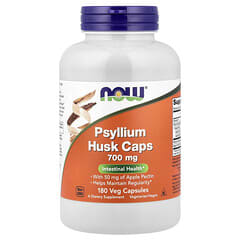 NOW Foods Psyllium Husk Caps, 180 capsules | Two capsules: 1 g fiber | Psyllium plus apple pectin; 1 g fiber per two capsules; portable but requires ample liquid. |
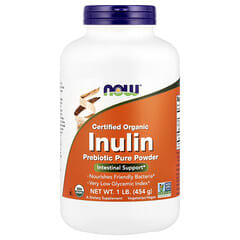 NOW Foods Organic Inulin, 454 g | Level teaspoon: 4 g fiber | Blue-agave inulin with mild sweetness; mixes into food; gas and bloating tolerance matters. |
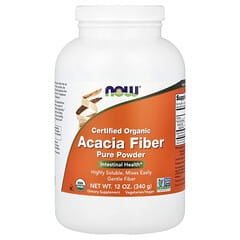 NOW Foods Organic Acacia Fiber Powder, 340 g | Level tablespoon: 6 g fiber | Acacia gum alone; 6 g soluble fiber per serving; easily mixed powder without added inulin. |
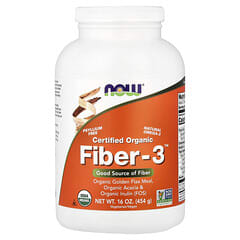 NOW Foods Fiber-3, 454 g | 2.5 tablespoons: 4 g fiber | Flax, acacia and inulin blend; 80 calories per serving; refrigerate after opening. |
NOW Foods Psyllium Husk Caps, 180 capsules
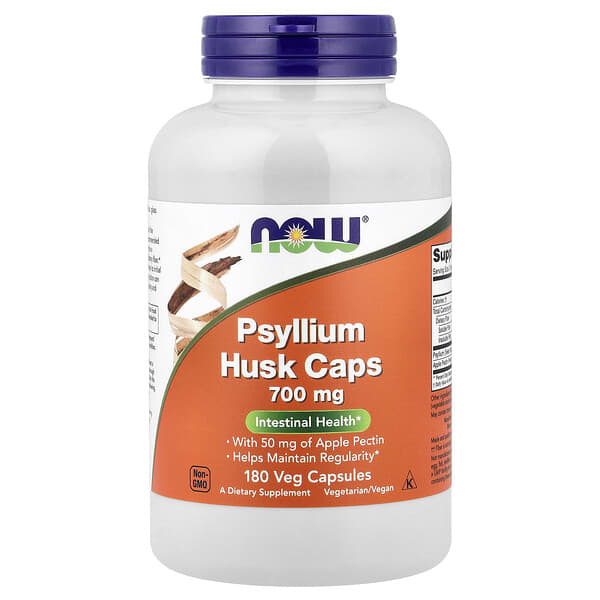
NOW Foods Psyllium Husk capsules remove the measuring and mixing step. Two capsules contain 1.4 g of psyllium husk plus 100 mg of apple pectin, supplying 1 g of dietary fiber. This is a psyllium-and-pectin blend, and the 180-capsule bottle contains 90 two-capsule servings.
- The plant-based capsules carry vegan, kosher and halal labeling.
- They suit shoppers who can swallow capsules comfortably and want something portable, although each serving supplies less fiber than the powders compared here.
- They must still be taken with at least a full glass, about 237 mL, of liquid.
- The label says not to use them if swallowing is difficult.
View NOW Foods Psyllium Husk Caps, 180 capsules details and price
NOW Foods Organic Inulin, 454 g
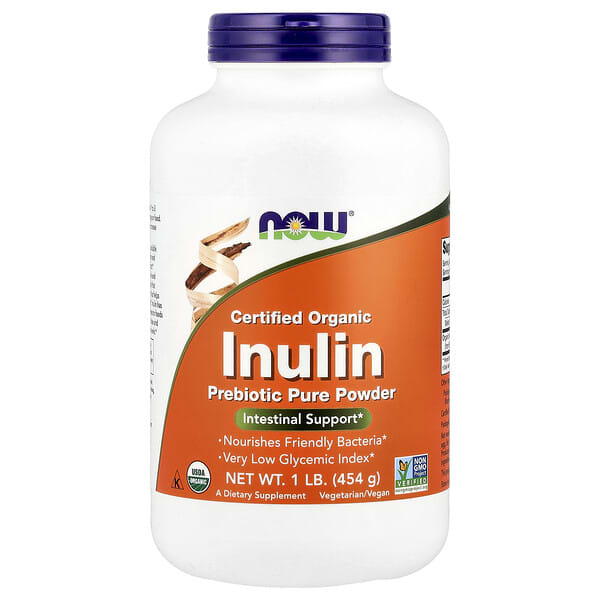
NOW Foods Organic Inulin comes from blue agave and has no additional ingredients. One level teaspoon, about 4 g, supplies 4 g dietary fiber, with 3.3 g inulin separately listed within that serving. Its mild sweetness makes it useful in yogurt, oats or drinks for shoppers who prefer to add fiber to food they already eat.
The 454 g container provides about 114 servings and carries USDA Organic, vegan and Non-GMO Project Verified labeling. This soluble prebiotic fiber can also cause gas or bloating. The manufacturer recommends starting with one teaspoon daily and increasing slowly, taking other inulin-containing foods into account.
View NOW Foods Organic Inulin, 454 g details and price
NOW Foods Organic Acacia Fiber Powder, 340 g
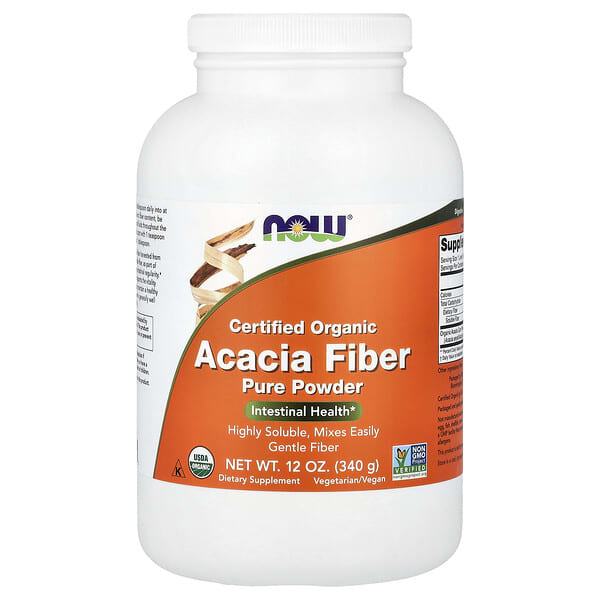
NOW Foods Organic Acacia Fiber uses acacia gum alone. A level tablespoon, 6.5 g, provides 6 g soluble fiber without added inulin. For shoppers comparing a single-ingredient fiber powder without psyllium, it has a clearly different ingredient profile from both inulin and Fiber-3.
- The manufacturer highlights easy mixing.
- Directions use at least 8 fl oz, about 237 mL, water or juice, with a one-teaspoon starting amount for sensitive individuals.
- The 340 g container provides about 52 servings and carries USDA Organic, vegan, kosher and halal labeling.
View NOW Foods Organic Acacia Fiber Powder, 340 g details and price
NOW Foods Fiber-3, 454 g
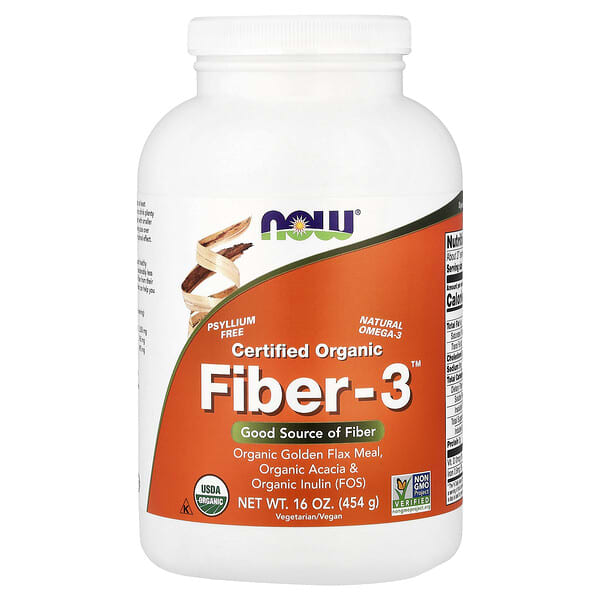
Fiber-3 combines cold-milled organic golden flax meal, organic acacia and inulin, without psyllium. A 2½-tablespoon, 17 g serving supplies 4 g fiber—2 g soluble and 2 g insoluble—plus 3 g protein and plant-source ALA omega-3. It is a mixed-ingredient nutritional powder rather than a single soluble-fiber ingredient.
- The flax-containing blend is useful to compare if you want those ingredients together.
- Shoppers avoiding inulin or wanting a smaller powder serving may prefer another format.
- Each serving has 80 calories and needs at least 12 fl oz, about 355 mL, water or juice.
- The 454 g pack has about 27 servings and must be refrigerated after opening.
View NOW Foods Fiber-3, 454 g details and price
Four needs, different choices
- Portable without mixing: psyllium capsules give 1 g fibre per two and need at least about 237 mL liquid. Do not use with swallowing difficulty.
- A familiar yoghurt or oat breakfast: inulin mixes into food with mild sweetness. Existing inulin-containing foods add the same source, relevant to bloating tolerance.
- One source without inulin: acacia has no added inulin and gives 6 g soluble fibre per serving, with mixing and gradual adjustment still needed.
- Flax in the same powder: Fiber-3 combines flax, acacia and inulin, with 80 calories and 4 g fibre per serving and refrigeration after opening. Its whole serving weight is not all fibre.
Psyllium constipation findings cannot be transferred to inulin or acacia. Actual price divided by total labelled fibre can compare costs, while fluid access, tolerance and refrigeration may exclude an option before price matters.
Persistent symptoms, medicines and fluid restrictions
Persistent constipation or bloating needs assessment. Medicines, pregnancy, breastfeeding, illness or fluid restrictions call for review of the full label. Swallowing or breathing difficulty or chest pain after psyllium needs immediate care rather than being dismissed as gas.
Related reading and sources
- guide to prebiotic foods
- Foods for Constipation: Kiwifruit, Prunes and Whole Grains
- Psyllium Benefits and How to Take It Safely