
Bloating is not always simply excess gas. Swallowed air, fermentation of certain carbohydrates, constipation and heightened gut sensitivity can all contribute. Associated symptoms and patterns matter; bloating after meals does not establish a microbiome imbalance.
A swollen abdomen with sudden severe pain, persistent vomiting, or inability to pass stool or gas needs urgent assessment. Vomiting blood or severe breathing difficulty requires emergency help. Recurrent bloating, unexplained weight loss, blood in stool or recent worsening also warrants medical review rather than repeated supplement trials. When to seek care
Bloating and visible distention are different
Bloating is the sensation of fullness, pressure or discomfort; appearance may be unchanged. Distention means the abdomen becomes visibly larger. They can occur together. Gut sensitivity and altered coordination of the abdominal wall and diaphragm can affect symptoms or appearance without a proportional increase in gas. This does not mean symptoms are imaginary.
Common causes and useful clues
| Possible contributor | Clues | Useful next step |
|---|---|---|
| Swallowed air | Fast eating, fizzy drinks, gum and belching | Slow eating and reduce fizzy drinks or gum; observe the response |
| Food digestion or tolerance | Repeated symptoms after certain dairy foods, sugar alcohols or fermentable carbohydrates | Record the food and portion; avoid eliminating many food groups at once |
| Constipation or difficult evacuation | Hard stool, straining or incomplete emptying, even with daily bowel movements | Address constipation; persistent difficulty needs assessment |
| IBS or gut–brain interaction problems | Recurrent bloating, sometimes with pain and bowel changes | Clinical assessment; a retail microbiome test does not establish the diagnosis |
| Other conditions | New or worsening symptoms, early fullness, weight loss or bleeding | Medical review; tests depend on symptoms and risk |
These clues are not a diagnostic checklist. Lactose intolerance, celiac disease and IBS can overlap in presentation. Small intestinal bacterial overgrowth is not the default explanation for every person with bloating. AGA expert advice reserves relevant breath testing for selected at-risk patients; imaging or upper endoscopy is mainly for alarm features, recent worsening or an abnormal examination. AGA guidance
Practical changes when there are no alarm features
Early belching or fullness after meals
Eat more slowly, avoid gulping drinks, and reduce fizzy drinks and repeated gum chewing. Smaller portions may help when a large meal is the clear trigger. Recording one or two obvious patterns is more useful than trying to calculate every possible source of gas.
Bloating with constipation
Daily bowel movements do not exclude constipation: hard stool, straining and incomplete evacuation also matter. Appropriate fluids, activity and suitable fiber can be part of care. Suddenly adding large amounts of fiber, particularly readily fermented added fibers, can worsen bloating. Persistent constipation needs appropriate treatment advice, and an evacuation-coordination problem may require a different approach.
Repeated symptoms after a food
Record the food, actual portion and timing, such as milk, sugar-free sweets or an inulin-containing bar. Change one factor at a time. Do not indefinitely eliminate dairy, legumes and multiple fruits or vegetables without a clear reason. A low-FODMAP approach is best supervised by a gastrointestinal dietitian, including food reintroduction rather than permanent broad restriction.
Do probiotics or prebiotics solve bloating?
Bloating does not establish a probiotic deficiency. AGA’s 2023 clinical practice update advises against probiotics for treating bloating and distention. This is expert practice advice, not a conclusion that every strain is ineffective for every digestive problem. Prebiotics such as inulin can be fermented and may increase gas. A gut-health label is not a promise to treat bloating.
Three examples of sugar alcohols and added fiber
These products illustrate ingredients someone may already use. They are not bloating treatments, and there is no need to buy them to investigate a trigger.
This article contains affiliate links. ToBeHealthy may earn a commission from purchases made through them. Comparisons are based on verified formulations and specifications, without hands-on product testing.
| Example | Labeled ingredient or portion | Relevance to bloating |
|---|---|---|
 Spry sugar-free gum | 2 g xylitol per 2 pieces | Sugar alcohol and air swallowed while chewing are separate factors |
 Spry peppermint mints | 0.5 g xylitol per mint | No sustained chewing, but still a sugar alcohol source |
 NOW Organic Inulin | 1 level teaspoon weighs about 4 g; 3.3 g inulin listed | An added fermentable fiber, not an automatic bloating remedy |
Xlear Spry Sugar-Free Gum, 100 pieces

Spry uses xylitol and stevia, with 2 g xylitol per two pieces. It is chewing gum rather than a digestive supplement. For someone who belches or passes more gas after gum, both sugar alcohol exposure and swallowed air are relevant.
Sugar-free does not mean free of digestive effects. Temporarily reducing existing use and observing the response is more informative than buying a larger bottle.
View Xlear Spry Sugar-Free Gum, 100 pieces details and price
Xlear Spry Peppermint Mints, 240 pieces

Each mint supplies 0.5 g xylitol, so four total 2 g. Mints do not require prolonged chewing, but still contain a sugar alcohol. That makes them an ingredient comparison with gum, not a bloating recommendation.
Tolerance varies with the person and amount. Switching to mints does not guarantee symptom improvement, and they should not be used as treatment.
View Xlear Spry Peppermint Mints, 240 pieces details and price
NOW Foods Organic Inulin, 454 g
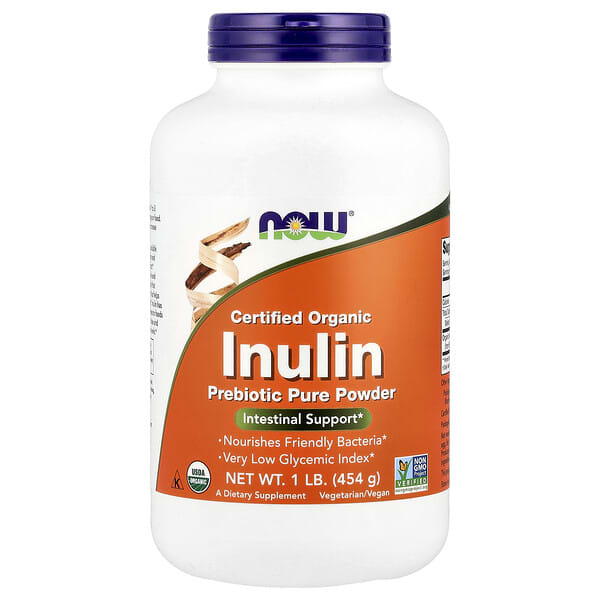
NOW uses blue-agave-derived inulin without other ingredients. A level teaspoon weighs about 4 g and the panel lists 3.3 g inulin. Mixing it into food adds a fermentable fiber source that can be easy to overlook.
If symptoms worsen after adding it, a prebiotic label is not a reason to keep increasing the amount. Consider fibers already added to foods and discuss ongoing symptoms with a clinician. It is not a supplement that everyone with bloating needs.
View NOW Foods Organic Inulin, 454 g details and price
What to bring to a consultation
Note when symptoms began, how often they occur, whether the abdomen visibly enlarges, and any pain, bowel change, early fullness or weight change. Include recently added medicines and supplements. Do not delay care to finish a diary.
Persistent bloating with early fullness, reduced appetite or lower abdominal or pelvic discomfort should not simply be blamed on diet, particularly when new. The purpose of assessment is to identify an appropriate cause and response; not everyone needs the same tests.
References
- NHS — Bloating
- NIDDK — symptoms and causes of gas
- AGA Clinical Practice Update, 2023; DOI 10.1053/j.gastro.2023.04.039
Related reading
- probiotic buying guide
- guide to prebiotic foods
- Probiotics for Constipation: What the Evidence Shows
- Psyllium Benefits and How to Take It Safely