
For an unflavoured whey isolate, compare the 544 g NOW Sports tub with the 454 g California Gold Nutrition Sport pack. NOW lists 25 g of protein per level scoop and California Gold Nutrition lists 27 g, but their scoops hold different amounts of powder. If you prefer vanilla, Dymatize ISO100 Gourmet Vanilla lists 25 g per scoop and includes sucralose and steviol glycosides.
This article contains affiliate links. ToBeHealthy may earn a commission from purchases through them. Comparisons are based on product information and research, without hands-on testing.
Plain mixing or a vanilla shake?
- Adding oats, coffee or fruit yourself: NOW Sports and California Gold Nutrition use whey isolate with sunflower lecithin without building added sweetness into the formula. Both still contain milk protein.
- Wanting vanilla with water: Dymatize ISO100 combines hydrolyzed whey isolate and whey isolate with sucralose and steviol glycosides. It contains milk and soy. Hydrolyzed wording alone does not establish greater muscle gain than the other options.
- Prioritizing banned-substance testing: the featured NOW product lists Informed Sport and Dymatize lists Informed Choice. These programs concern prohibited-substance risk, not proof of superior muscle growth.
Three buying situations lead to different choices
Breakfast already has flavor and needs a little more protein: an unflavored powder can be incorporated without making every preparation taste of sweet vanilla. NOW and California Gold Nutrition both fit that direction. If oats already contain fruit or other flavoring, compare the amount you would use in the complete meal rather than changing the meal simply because another scoop supplies two more grams.
You usually carry only water and a shaker: ISO100 vanilla includes its flavoring in the powder, removing a separate preparation step. The trade-off is accepting its flavors, sucralose, steviol glycosides and soy ingredient. If those do not fit your preferences or exclusions, a higher price or hydrolyzed name does not remove that trade-off.
Competition requires checking prohibited-substance testing: NOW and ISO100 list different programs. Match the exact product and batch to the requirements of your sport or organization. For California Gold Nutrition’s iTested information, examine what the available report actually covers rather than treating all testing marks as the same service.
These are categories based on composition and use, not first-to-third performance rankings. There is no direct trial here comparing muscle gains from the three finished products. We have not conducted taste or dissolution tests either. The reasons for inclusion concern verified ingredients and portions, with clear limits on what those facts can establish.
Formula and serving comparison
| Exact product and pack | Powder per serving | Protein per serving | Listed servings | Formula features and practical considerations |
|---|---|---|---|---|
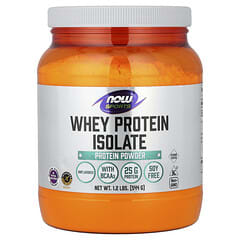 NOW Sports Unflavored, 544 g | 28 g | 25 g | About 19 | Unflavored, no artificial sweeteners; level scoop with about 240 mL liquid; Informed Sport. |
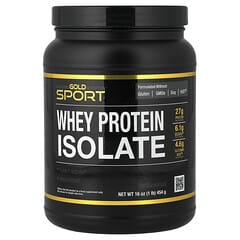 California Gold Nutrition Sport Unflavored, 454 g | 31 g | 27 g | About 15 | Slightly rounded scoop; liquid first; two-ingredient plain formula; iTested information. |
 Dymatize ISO100 Gourmet Vanilla, 610 g | 30 g | 25 g | About 20 | Sweet vanilla, contains soy; scoop with 150–180 mL liquid; Informed Choice. |
By powder weight, the label figures work out to about 89% protein for NOW, 87% for California Gold Nutrition and 83% for Dymatize. Those are estimates calculated from the rounded labels. If you usually use one scoop, focus on the protein supplied in that serving. If you are comparing cost, include both the listed number of servings and the protein per serving.
Comparing the two unflavoured products
NOW Sports Unflavored, 544 g
NOW Sports unflavored Whey Protein Isolate supplies 25 g protein per 28 g level scoop. Whey isolate and less than 1% sunflower lecithin are the only ingredients, without artificial sweeteners such as sucralose. It fits oats or drinks that you prefer to flavor yourself.
- The Informed Sport testing mark is a specific feature for shoppers concerned about prohibited-substance testing.
- The 544 g container contains milk protein and is unsuitable for milk allergy.
- Unflavored still leaves the natural taste of whey.
Directions specify one level scoop daily with about 240 mL cold water, milk or a preferred juice, stirred or blended. The absence of built-in sweetening gives flexibility within an existing breakfast. The whey and sunflower-lecithin formula still requires attention to its milk allergen.
View NOW Sports Unflavored, 544 g details and price
California Gold Nutrition Sport Unflavored, 454 g
California Gold Nutrition Sport unflavored Whey Protein Isolate provides 27 g protein and 6.1 g BCAAs per 31 g scoop, with zero carbohydrates listed. It uses cold microfiltration and contains whey isolate plus sunflower lecithin, without other ingredients.
The 454 g version provides iTested information. It contains milk and is unsuitable for milk protein allergy.
The 31 g figure is an average slightly rounded scoop; technique changes the actual powder amount. Directions recommend adding liquid before powder. This suits measured portions with independent flavoring. Cold microfiltration describes the process, not a taste-test result.
View California Gold Nutrition Sport Unflavored, 454 g details and price
For vanilla, check the sweeteners and allergen statement
Dymatize ISO100 Gourmet Vanilla, 610 g
Dymatize ISO100 Gourmet Vanilla combines hydrolyzed whey isolate and whey isolate, supplying 25 g protein, 5.5 g BCAAs and 2.6 g leucine per 30 g scoop. Natural and artificial flavors, sucralose and stevia make it a flavored option to mix with water.
- The 610 g version carries Informed Choice prohibited-substance testing labeling.
- It contains milk and soy lecithin.
- Hydrolysis describes processing, not a guarantee of individual digestive tolerance.
One scoop is directed into 150–180 mL water, milk or another drink, less liquid than the featured NOW directions. That can matter for a smaller cup. Concentration and taste were not tested here, and the volume does not guarantee that it will be easier to finish.
View Dymatize ISO100 Gourmet Vanilla, 610 g details and price
Does whey isolate mean lactose-free?
All three products are derived from milk. A description of a process that removes some lactose does not tell you how much is in the serving from this exact flavour and pack. The exact lactose amounts for these three products were not verified, so they are not ranked for lactose content. Ordinary milk used to mix the powder can contribute lactose too. For someone with milk protein allergy, a lactose-free statement would not establish that a whey product is suitable.
With confirmed intolerance, compare the complete drink
NIDDK explains that lactose tolerance varies and some people can still eat modest amounts of lactose-containing foods. Reduced-lactose or lactose-free milk can reduce that contribution. This is a dietary option to discuss after diagnosis, not a method for someone with milk protein allergy to test whey at home.
If the purchase is intended to address a known lactose problem, information for the specific product is more useful than protein percentage alone. Lactose-free mixing milk addresses the liquid; it cannot establish that the powder has no lactose. If an existing dairy food is already tolerated, a more expensive product category is not automatically a necessary upgrade.
Record the powder amount and mixing liquid to describe the full preparation to a clinician. Recurring symptoms or suspected allergy need stopping the suspected product and assessment, rather than changing flavor or using half a scoop to diagnose allergy independently.
What does 100% whey isolate mean beside the serving figures?
ISO100’s page explains that 100% refers to its protein coming from whey isolate, rather than every gram of powder being protein. A 30 g scoop providing 25 g of protein is therefore consistent with that description. Other components account for the rest of the formula; use the nutrition label for the actual composition.
BCAAs and leucine are amino acids within protein. Adding ISO100’s 25 g protein, 5.5 g BCAAs and 2.6 g leucine to claim 33.1 g of protein would count overlapping components more than once. California Gold Nutrition’s BCAA figure likewise is not an extra serving of protein outside the listed 27 g. These details describe composition. More numbers on the front of a tub do not, by themselves, establish better results.
Dividing protein grams by powder weight describes the proportion of the powder that is protein. It is not a human absorption rate. An estimated 89% from the label does not mean 89% becomes muscle, or that it produces six percent more muscle growth than a powder calculated at 83%. Those would be different outcomes requiring different evidence.
Mixing liquid changes the whole drink, not just its thickness
The three products specify different mixing volumes. With the powder amount unchanged, adding more water increases drink volume without adding protein. If only half is finished, count the corresponding fraction consumed. Milk or soy drink adds its own protein and energy according to the amount actually poured.
For example, a powder serving containing 25 g protein still provides 25 g when water is increased from 180 to 300 mL. If the mixing drink independently supplies another 8 g, the combined drink instead contains 33 g. This arithmetic is not a universal preparation instruction for the three powders; follow the directions for the exact product.
Someone using a small cup and wanting to finish the whole drink can compare the suggested volume with their actual routine. Someone comfortable carrying a larger drink, with suitable cooling and washing facilities, may make a different choice. No taste tests at different concentrations were performed, so these practical considerations cannot establish which preparation feels smoother or tastes better.
What should you check behind a sport-testing mark?
Informed Sport’s official explanation describes testing every batch before market release, with continuing monitoring. Informed Choice uses a monthly blind-testing schedule. The testing frequency differs, so the program names should not be interchanged.
If competition makes this relevant, search the appropriate database for the product, flavor and batch. A mark on another product from the same brand does not verify this tub. Testing for prohibited substances and testing whether a powder produces greater muscle growth answer different questions.
The same distinction helps ordinary shopping. Identify whether the concern is ingredient content, contaminants or substances banned in sport, then inspect whether the report covers it. iTested information, sport-program marks and manufacturing quality descriptions have different scopes. They have not been converted here into an invented overall quality score. Certification is a reason to examine specific evidence, rather than a replacement for reading what was actually assessed.
Compare equal amounts of protein
Labeled protein per serving is 25 g for NOW, 27 g for California Gold Nutrition and 25 g for Dymatize. Scoop prices alone are not comparable. Labeled servings imply approximately 475, 405 and 500 g protein per tub; rounding and serving counts affect those estimates. Divide the actual price by total protein grams, with delivery and taxes considered separately.
NOW supplies 25 g protein from 28 g powder, California Gold Nutrition 27 g from 31 g, and Dymatize 25 g from 30 g. Between the plain options, protein proportion, package and price matter. Vanilla preference is a reason to consider the flavored formula; two extra grams do not override an unwanted sweetener or soy ingredient.
None is an alternative for milk protein allergy. Isolate wording alone cannot compare lactose per serving; obtain information for the specific version if needed. Ordinary milk used for mixing adds lactose separately.
A larger tub only saves money if its size fits actual use
Suppose one serving is used on three days each week. Packs labeled as 19, 15 and 20 servings would last approximately 6.3, 5 and 6.7 weeks under that routine. These are usage calculations, not after-opening shelf lives. The storage and date instructions on the actual package still apply.
Using half a serving increases the number of occasions but halves the protein supplied each time. To compare equal protein, keep using the cost per protein gram rather than treating more cups as automatically cheaper. Unfinished drinks, an unwanted plain flavor or powder that cannot be used in time can change the value of a large pack.
Without a verified same-region checkout price on the purchase date, there is no cheapest-product claim here. Compare the price actually payable, delivery and applicable offers on one basis, then compare formulas that fit the intended use. Different currencies, subscription prices and one-time purchase prices are not interchangeable. A useful budget comparison is the cost of the routine you will follow, rather than a prominently displayed price that does not apply to your order.
Related reading and sources
- protein powder label guide
- NIDDK: Symptoms and causes of lactose intolerance
- Protein Powder Benefits: Who Might Need It?
- Protein Powder Side Effects: Bloating, Lactose and Sweeteners