
Half a cup of cooked lentils contains about 3 mg of iron. Three ounces of braised lean beef contains about 2 mg, while a cup of canned white beans contains about 8 mg in the reference table below. For a useful comparison, start with the amount you would put on your plate. The form of iron and what else you eat at the meal can affect absorption.
Compare iron in portions you would actually eat
| Food and preparation | Reference serving | Iron |
|---|---|---|
| Eastern oysters, cooked with moist heat | About 3 oz (85 g) | About 8 mg |
| Canned white beans | 1 cup | About 8 mg |
| Lentils, boiled and drained | ½ cup | About 3 mg |
| Spinach, boiled and drained | ½ cup | About 3 mg |
| Lean bottom-round beef, braised with fat trimmed | About 3 oz (85 g) | About 2 mg |
| Chickpeas, boiled and drained | ½ cup | About 2 mg |
These values represent the specified foods and preparation. Half a cup of dry lentils is a different amount from half a cup of cooked lentils. A can also has a net weight that may include liquid, so check how the label defines a serving. For fortified cereal, use the brand’s current panel. Fortification means a nutrient was added, and different cereals can supply very different amounts per bowl.
A cup of beans and 85 g of beef are different portions
A cup of canned white beans in the reference table supplies about 8 mg iron, so half a cup supplies approximately 4 mg. Half a cup of cooked lentils supplies about 3 mg; a quarter cup supplies approximately 1.5 mg. These are proportional calculations from the specified reference portions. They help describe what was eaten rather than require finishing a whole cup of beans at every meal. (Source)
For example, half a cup of cooked lentils plus 85 g of the specified braised lean beef gives an approximate subtotal of 5 mg. Other ingredients contribute separately. Halving the beef portion reduces its contribution to about 1 mg and the subtotal to about 4 mg. This is meal arithmetic, not a complete menu or treatment plan. It also does not establish equal absorption from equal milligram amounts.
For a meat-free comparison, half a cup of cooked lentils plus half a cup of boiled chickpeas gives approximately 5 mg across those two foods. Putting two beans into one bowl does not automatically provide two full reference portions. If only a quarter cup of each is eaten, halve each contribution instead. Describe the actual combination before using the figures to compare it with another meal.
The same approach prevents a per-100-g ranking from becoming an unrealistic plate. A small sprinkle of a food with a high figure per 100 g contributes according to the sprinkle actually eaten. A legume or staple that regularly fits a meal may be easier to include consistently. Portion, preparation and the practical role in the meal make the comparison useful beyond the largest printed number.
How the rest of the meal affects iron absorption
Meat and seafood supply some heme iron. Legumes, vegetables and fortified grains largely supply nonheme iron. Heme iron is generally more readily absorbed, while other ingredients in a meal can affect absorption of nonheme iron. Vitamin C can help. If you are making a bean lunch, peppers or an orange are options to eat at the same meal. For your food record, keep the listed milligrams as intake. A fixed absorption percentage cannot reliably tell you how much your body absorbed from that meal.
These general food values and absorption principles are reported by NIH ODS.
Match an iron source to the meal
| Situation | Practical option | Trade-off |
|---|---|---|
| No kitchen | Canned fish, mussels or ready-cooked beans | Consider sodium, oil, seafood allergens and storage after opening |
| Batch cooking available | Dry lentils in soup, rice or salad | Cook fully; dry and cooked weights differ |
| No-cooking breakfast | Cereal with yogurt or milk and fruit | Whole grain does not mean iron-fortified; sugar varies |
| Mostly plant-based meals | Legumes with peppers, broccoli or fruit at the meal | Meal composition affects nonheme absorption; overall supply matters |
Choose between batch-cooked lentils and a seasoned can
For several prepared lunches with distinct lentil texture, petite French green lentils fit batch cooking. This bag lists 4 mg iron per 45 g dry. Starting with 90 g therefore gives approximately 8 mg according to the uncooked label, allocated as about 4 mg to each of two equal portions. This is a batch estimate without adjustment for cooking or draining losses, not a measured nutrient result for the finished lentils.
Cooked lentils weigh more after taking up water. Do not enter the dry batch and the resulting cooked food as two separate contributions. If using a cooked-food database value instead, measure the corresponding cooked portion and choose that method rather than adding both estimates. Other soup or salad ingredients can then be entered separately. Keep the calculation attached to the preparation actually used.
When there is no time to cook legumes, but shellfish and a seasoned food fit the diet, lemon-herb mussels provide a no-cooking accompaniment to rice or toast. Lemon, garlic and spices are already part of the product. Include that seasoning in the meal decision instead of assuming the same additional sauces will be needed. Convenience here comes from the actual preparation, not a claim that canned seafood treats low iron more effectively.
Dietary exclusions also separate these choices. Someone avoiding animal foods can use legumes; shellfish allergy excludes this can. The granola contains soy and is not suitable for every ingredient exclusion merely because it is plant-based. For a person with an allergy, the complete ingredients and cross-contact warnings give more relevant information than a broad category such as healthy cereal or seafood. The appropriate food must fit those exclusions before its iron figure becomes a reason to compare portions.
Three products: texture, convenience and sodium
Shape-holding lentils suit salads; granola is ready for breakfast or toppings; seasoned mussels are convenient but higher in sodium. The table gives declared total iron, without assuming that each product is fortified.
This article contains affiliate links. ToBeHealthy may earn a commission from purchases through them. Comparisons are based on product information and research, without hands-on testing.
| Product | Label per serving | Formula features and practical considerations |
|---|---|---|
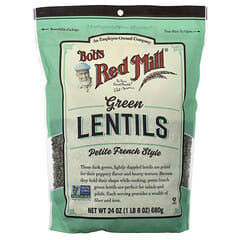 Bob’s Red Mill Petite French Style Green Lentils, 680 g | 4 mg iron per 45 g dry lentils | Holds its shape with peppery flavor; useful in salads; 4 mg iron per 45 g dry. |
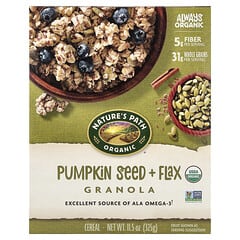 Nature’s Path Pumpkin Seed and Flax Granola, 325 g | 2 mg iron per 55 g cereal | Oat, pumpkin-seed, flax and cinnamon clusters; ready to eat; contains sugar and soy. |
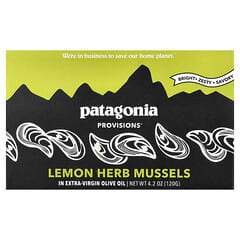 Patagonia Provisions Lemon Herb Mussels, 120 g | 25% iron DV per 120 g can | Seasoned ready-to-eat mussels; 25% iron DV per can; 700 mg sodium and shellfish allergens. |
Bob’s Red Mill Petite French Style Green Lentils, 680 g
Bob’s Red Mill Petite French Green Lentils hold their shape during cooking, with a peppery flavor described by the brand. They suit salads, pilafs and side dishes where separate, textured lentils are more useful than a smooth puree.
French green lentils are the only ingredient, with 4 mg iron per 45 g dry serving. The 680 g bag gives stovetop and pressure-cooker methods, including about 25 minutes of stovetop cooking until tender after rinsing. Calculate meal iron from the dry amount used and finished portion count. The same 45 g dry serving also lists 10 g protein and 14 g fiber.
View Bob’s Red Mill Petite French Style Green Lentils, 680 g details and price
Nature’s Path Pumpkin Seed and Flax Granola, 325 g
Nature’s Path Pumpkin Seed + Flax Granola combines oats, pumpkin seeds, flax and cinnamon into crunchy clusters, with molasses and cinnamon flavors. It can be served with milk or used as a yogurt topping. A 55 g serving provides 5 g fiber, 31 g whole grains and 2 mg iron.
The recipe is labeled organic and vegan but contains sugar, oil and soy. If you only use a little as a topping, use that actual weight for nutrition estimates. Plain oats are a different option for someone avoiding added sweetening ingredients.
View Nature’s Path Pumpkin Seed and Flax Granola, 325 g details and price
Patagonia Provisions Lemon Herb Mussels, 120 g
Patagonia Provisions Lemon Herb Mussels combine mussels and broth with organic olive oil, lemon juice, garlic, onion and spices. They are ready for toast, rice or salad. The current listing gives 18 g protein per 120 g can, with 1,100 mg omega-3 in the overview and iron 25% DV plus vitamin B12 980%DV in the nutrition panel. The brand page separately lists 640 mg omega-3, differing from the 1,100 mg on iHerb; check the received package for its nutrition figures. (Brand information)
This seasoned option lists 700 mg sodium per serving, which matters alongside the rest of a meal for anyone limiting sodium. It contains shellfish. iHerb notes a fish-processing facility; the brand also warns that fish and crustaceans may be present. Watch for shell fragments.
The brand page carries a California Proposition 65 cancer and reproductive-harm warning. It does not provide a batch-specific exposure amount, so a numerical risk cannot be inferred from the warning alone.
View Patagonia Provisions Lemon Herb Mussels, 120 g details and price
Does whole grain mean iron-fortified?
No. Whole grain describes the ingredient, while fortification means iron was added. Unfortified foods can naturally contain iron too. Compare the portion actually eaten. The granola above lists 2 mg iron and 9 g added sugar per 55 g; half a portion provides about 1 mg iron rather than the full amount.
Can high-iron foods replace iron treatment?
Varied foods help improve routine intake. Confirmed deficiency or anemia requires the agreed treatment and investigation of its cause. Persistent fatigue, bleeding or abnormal tests cannot be resolved merely by choosing one food. See adult daily iron references for dietary needs.
A granola breakfast and a yogurt topping use different amounts
The Nature’s Path granola above lists 2 mg iron, 5 g fiber and 9 g added sugars per 55 g. Using 27.5 g, or half that serving, gives approximately 1 mg iron, 2.5 g fiber and 4.5 g added sugars. A small topping should not automatically be recorded as a full label serving. Weighing a usual topping once can make later estimates more realistic without requiring an elaborate calculation at every breakfast. (FDA serving-size guidance)
The panel has separate columns for dry cereal and cereal with half a cup of skim milk. Dry granola provides 6 g protein per 55 g; the milk-prepared bowl lists 10 g. The headline 10 g cannot all be assigned to the granola. With another dairy product, plant drink or yogurt, record the actual addition separately instead of retaining the skim-milk column regardless of what was poured.
For someone wanting clusters and seeds, this is a ready-to-eat format. For someone avoiding added sweetening ingredients, plain oats are a different option whose own panel should be checked. The choice does not need a good-versus-bad ranking based only on iron: sweetness, ingredients and preparation affect whether the planned portion will actually be eaten.
Fruit at the same meal can provide vitamin C without requiring a separate vitamin C supplement for the bowl. If breakfast is already established, identify whether granola replaces another part or is an additional topping. A record that adds its iron but ignores the rest of the extra food is incomplete. This keeps the purchasing decision tied to how breakfast is actually assembled rather than a serving size that exists only on the package.
Count sodium and iron from the same share of mussels
The mussel serving is one 120 g can. Its current listing gives 25% iron Daily Value, or DV, and 700 mg sodium. Two people dividing that serving equally would each receive approximately 12.5% DV and 350 mg sodium by proportional calculation. Do not record the full iron figure for each person while halving only the sodium. The iron percentage uses a labeling reference rather than an individual requirement. This listing does not give iron in milligrams; check the received package when a milligram calculation is needed. Unequal shares require a corresponding change to the estimate, just as they do when dividing a cooked batch.
Soy sauce, other sauces or broth contribute additional sodium to the same meal. To retain the convenience of the prepared seasoning, try a combination without automatically adding another sauce. Someone following an established sodium restriction should assess the meal within that clinical or dietetic plan. An iron-containing food does not override another dietary requirement, and the listed nutrient concentration does not determine an appropriate personal portion by itself.
Milk, yogurt, fruit, rice or toast can accompany these foods without every component needing to be selected for high iron. Place a verified source into meals that are practical to eat, then use adult intake references to review the wider pattern. A single day’s subtotal does not diagnose deficiency and should not be converted directly into a self-prescribed tablet amount.
Before buying, consider flavor, actual portion, ingredient exclusions and storage directions together. A bag of lentils intended for several meals needs allocation across the batch. Mussels used as a shared side need allocation across the people eating them. This gives a clearer account of the food actually consumed than comparing one iron number between packages while leaving preparation and portions unspecified. The useful outcome is a meal that fits, with quantities that can be followed consistently in a food record.