
Fiber can support a varied, more filling eating pattern, but adding a scoop does not guarantee weight loss. Use legumes, whole grains and vegetables to improve an existing meal while considering total portions and sauces, rather than continually adding high-fiber snacks on top.
What does weight-loss research show?
A randomized trial of 240 adults with metabolic syndrome compared simplified counseling to increase fiber with broader American Heart Association dietary goals. At 12 months, mean weight changes were −2.1 and −2.7 kg respectively; the between-group result did not establish superiority. Both groups received ongoing counseling. The trial did not add powder to unchanged meals or prove the diets equivalent. Trial
For short-term fullness, a systematic review of 44 publications and 107 treatments found that most treatments did not enhance subjective satiety. Fiber type and food format can matter; the grams on a label cannot predict how much less you will eat later. Review
Feeling full, eating less later and losing weight are three outcomes
Feeling ready to stop during a meal differs from feeling less hungry until the next meal. The quantity actually eaten afterward is another observation. Someone may feel fuller after a high-fiber breakfast but still eat the usual afternoon snacks out of habit. That does not prove fiber has failed; it shows why a subjective feeling cannot substitute for a record of the overall eating pattern. (Source)
The appetite review described earlier examined treatments lasting no more than 24 hours. It cannot directly predict body weight a year later. Conversely, a long-term diet program’s average weight change does not show that every serving of a named food causes a fixed reduction at the next meal. The duration and outcome determine what question the research can answer.
When trying a breakfast change, distinguish when hunger returns, whether an extra snack is needed and what happened to the original meal. Do not deliberately endure hunger to prove that a food works or interpret every fluctuation in appetite as a failure of willpower. Persistent inadequate intake, dizziness or distress around eating calls for appropriate assessment. A practical food change should be reviewed against what actually happens across the day, rather than judged only by an immediate sense of fullness after the first few bites.
The trial’s average loss is not a prediction for a fiber powder
The 240-person trial compared two dietary counseling approaches, not a branded product against placebo. Participants attended individual and group sessions, and targeting fiber could accompany other dietary changes. The result cannot be reduced to a claim that adding one serving of oat bran produces a two-kilogram loss in twelve months, nor is it a guarantee for an individual. (Source)
Different group averages and an established superior treatment are separate findings. The authors specifically noted that a superiority design could not establish equivalence merely because a clear difference was not found. They also did not assess maintenance after the counseling sessions ended. These limitations do not erase the findings, but they affect how the result can be applied.
A reasonable practical implication is that a clearly defined food-change goal may be a starting point for people who find numerous simultaneous instructions difficult. Total portions, other nutrients and sustainability still matter; fiber should not become the only measure of a diet. Findings in adults with metabolic syndrome also do not provide a weight-loss plan for children, pregnancy or people requiring a different clinical diet. When reading a claim based on this trial, check whether it describes the counseling program that was studied or silently substitutes an unrelated supplement for that program.
Improve the meal rather than simply adding more
| Practical difficulty | Meal option | Reason |
|---|---|---|
| Breakfast is only a sweet drink | Oat bran with milk or plain yogurt and fruit | Adds fiber, protein and an actual food portion |
| Lunch has mostly rice and little else | Include legumes and vegetables alongside an appropriate protein source | Improves variety instead of adding a packet of crackers after the meal |
| No cooking at work or school | Crispbread with egg, tuna or chickpea spread | No heating; crispbread alone need not be a complete lunch |
| Limited preparation time | Use cooked canned beans and refrigerate leftovers appropriately | A usable routine matters more than an impressive fiber claim |
Three ingredients for different preparation routines
These options differ in convenience. There is no clinical basis here to rank one as the most effective weight-loss food. Consider actual portions, calories, ingredients and storage.
This article contains affiliate links. ToBeHealthy may earn a commission from purchases through them. Comparisons are based on product information and research, without hands-on testing.
When checked, all three Hong Kong listings showed out of stock with no arrival date. The comparisons describe their formulations and uses; confirm availability before purchase or compare alternatives in the same food category.
| Product | Label per serving | Formula features and practical considerations |
|---|---|---|
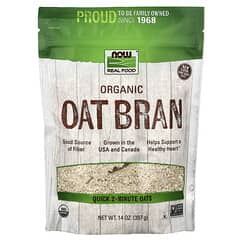 NOW Foods Real Food Organic Oat Bran, 397 g | 4 g fiber per 38 g dry | About two-minute preparation and baking uses; 4 g fiber per serving; possible wheat traces. Out of stock when checked. |
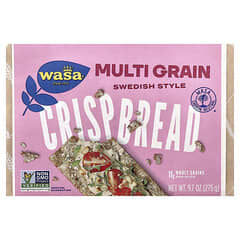 Wasa Multigrain Crispbread, 275 g | 3 g fiber per 14 g slice | Multigrain crispbread; 3 g fiber per slice; no heating, contains wheat. Out of stock when checked. |
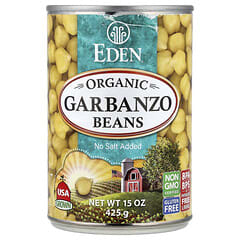 Eden Foods Organic Garbanzo Beans, 425 g | 5 g fiber and 6 g protein per 130 g; no added salt | Precooked organic chickpeas, no added salt; ready for salads or hummus. Out of stock when checked. |
NOW Foods Real Food Organic Oat Bran, 397 g
NOW Foods Organic Oat Bran has a mild nutty flavor and takes about two minutes with hot water, in a microwave or on the stovetop. It works as a softer breakfast cereal and as an addition to bread or muffins for shoppers who want a bag with several kitchen uses.
A 38 g one-third-cup serving supplies 4 g fiber, including 2 g soluble fiber, plus 6 g protein and 130 calories. Organic oat bran is the only ingredient, but the label warns of possible traces of wheat. Anyone needing a strictly gluten-free diet should compare explicitly certified options.
View NOW Foods Real Food Organic Oat Bran, 397 g details and price
Wasa Multigrain Crispbread, 275 g
Wasa Multigrain Crispbread combines whole-grain rye, wheat, oats and barley for a dry, crisp texture that needs no heating. Each slice has 11 g whole grains and 3 g fiber, a practical base for eggs, tuna or vegetables at work or school.
A 14 g slice lists 45 calories, 2 g protein and 65 mg sodium before toppings. It contains wheat and may contain milk and sesame, so it is unsuitable for a gluten-free diet. Carry moist toppings separately and add them just before eating to retain the crunch.
View Wasa Multigrain Crispbread, 275 g details and price
Eden Foods Organic Garbanzo Beans, 425 g
Eden Foods Organic Garbanzo Beans are soaked and pressure-cooked, with only organic chickpeas, water and kombu and no added salt. They add beans to a quick rice bowl or salad and can be mashed with tahini, lemon and garlic into hummus.
The 425 g can carries organic, gluten-free and kosher labeling and a lining without BPA, BPS or phthalates. No added salt still calls for checking the sodium panel and any sauces added. Plan leftover portions if cooking for one.
View Eden Foods Organic Garbanzo Beans, 425 g details and price
Compare portions without mixing dry and cooked weights
A 38 g dry oat-bran serving supplies 4 g fiber. Added water increases its weight, so 38 g cooked cereal is not that same serving. Wasa supplies 3 g fiber per 14 g slice, or 6 g in two slices; toppings and drinks count separately. Eden chickpeas list 5 g fiber and 6 g protein per 130 g serving and can form the legume portion of a meal.
More fiber does not make calories irrelevant. Nut butter, oil or sweet toppings change the meal. Adding food on top of an unchanged intake may not suit the intended energy balance.
If more fiber causes bloating
A rapid increase across beans, cereals and fiber drinks can cause gas. Increase a tolerable food gradually and maintain appropriate fluids rather than forcing a numerical target despite discomfort. Persistent pain, pronounced bloating or bowel-habit changes needs assessment.
A strict gluten-free diet requires product-specific checks. The oat bran above warns of possible wheat traces and Wasa contains wheat. Fiber supplements also have ingredient-specific liquid and use directions; capsules do not replace an inadequate meal.
Compare the amount you will actually eat
Two Wasa slices weigh 28 g and supply 6 g fiber, 4 g protein and 90 calories according to the panel. A 38 g oat-bran serving supplies 4 g fiber, 6 g protein and 130 calories. The crispbread’s larger fiber figure does not establish that two slices meet everyone’s breakfast needs, and cheese, spreads and drinks added afterward still belong in the meal calculation.
Chickpeas supply 5 g fiber, 6 g protein and 130 calories per 130 g serving. They are a cooked legume component, with a different water content from dry bran or crispbread. Per-100-g figures can compare the concentration of similar foods, but an actual meal requires the portion and accompaniments as well.
When comparing two crispbreads, convert each panel into the number of slices you would eat before reviewing fiber, calories, sodium and ingredients. Slice weights can differ across brands, so one slice is not necessarily an equivalent amount. This method helps interpret labels and plan food; it does not turn whichever product has the highest single number into the best weight-loss choice. The useful comparison is between realistic eating occasions, not between isolated figures taken from differently sized label servings.
Replacing part of a meal differs from adding a serving afterward
Suppose lunch already contains a fixed amount of rice and side dishes. Adding a 130-calorie chickpea serving without changing anything else adds approximately 130 calories according to the label; its fiber is not a reason to omit it from the record. If the legumes replace part of an existing food, calculate both what was added and what was removed rather than counting only the new ingredient. (Source)
This is an energy-accounting example, not an instruction for everyone to add or remove 130 calories at lunch. Legumes can contribute variety and plant protein, but their role still needs to be considered alongside rice, fish, meat, eggs, vegetables and sauces. It is unnecessary to remove every starch or treat high-fiber foods as unlimited.
The same distinction applies at breakfast. Bran with milk and fruit is a different arrangement from an extra sweet baked snack after an unchanged breakfast. Ask what the new food takes the place of, whether intake remains adequate and whether excessive hunger later makes the arrangement difficult to sustain. A dietitian can tailor an energy goal where one is needed. Knowing that a product contains fiber does not supply the missing information about the rest of the meal or establish that adding it produces a deficit.
Fit preparation to the time and equipment available
- Hot water or a microwave in the morning: bran takes about two minutes to prepare. Milk and fruit can be arranged separately without creating an elaborate new breakfast routine.
- No reheating at work or school: crispbread can carry prepared toppings. Keep moist ingredients separate and follow the relevant food-safety requirements for eggs, fish or bean spreads.
- No time to cook dry legumes: cooked canned beans remove soaking and cooking. Plan the remainder before opening a can rather than buying a larger pack whose leftovers cannot be stored appropriately.
These are examples, not foods that must all be added together. Choose a recurring difficulty, such as a lunch without legumes or a breakfast consisting only of a sweet drink, then select an achievable change. Similar food categories are available through ordinary meals; an unavailable named product need not end the plan.
After a week, review preparation time, taste and whether the food was actually eaten. If the approach repeatedly needs equipment or time that is unavailable, changing the ingredient is more useful than assuming a lack of commitment. A fiber number does not describe those practical constraints, yet they affect whether a plan can continue. Keep a simple alternative for a late start or an unexpected change in routine so that the food choice does not depend on every day going exactly as planned.
Review more than the scale reading
Separate a record into food, experience and outcomes. Food means the actual portion and additions; experience includes hunger before the next meal and digestive tolerance; outcomes concern the broader eating and weight pattern over time. Writing only high fiber today conceals whether the original meal, extra snacks and drinks changed together. (Source) One day’s fluid or bowel-content changes cannot establish a food’s weight-loss effect.
CDC recommends monitoring food, activity and weight to identify patterns, such as difficulty maintaining habits during overtime or travel. The purpose is to find an adjustable part of the routine, not require a lower number every day. If weighing is appropriate, use comparable conditions rather than attributing a single day’s movement to a named food.
Review the plan if more fiber causes marked discomfort or if meals are repeatedly avoided and intake becomes inadequate. People receiving treatment, pregnant or breastfeeding, or needing a different clinical diet should not copy someone else’s weight-loss portions. Adequate nutrition and the actual health goal need to be considered together. A plan cannot be judged solely by achieving the largest fiber number, particularly when the person is struggling to eat or the practical arrangement has become impossible to maintain. Bring those difficulties to a professional discussion instead of continuing to increase fiber without reviewing what happened.
Related reading and sources
- guide to prebiotic foods
- Foods for Constipation: Kiwifruit, Prunes and Whole Grains
- Best Fiber Supplements in 2026: Psyllium, Inulin and More